Deutsch
 English
At the border or during a visa application, you may be asked how you plan to pay for your trip. Proof of funds shows that you can cover your stay, lodging, and return or onward travel. The exact requirements depend on factors such as your nationality, destination, and type of trip.
Financial documents are not routinely requested for every vacation. However, countries may still check whether you have sufficient funds, even if you are traveling without a visa or with an electronic travel authorization.
Key takeaways
- Proof of funds may be required during a visa application, at the border, or at both stages.
- There is no single worldwide minimum amount that counts as sufficient funds.
- Bank statements should show the account holder, available balance, and a credible transaction history.
- If someone else is paying for your trip, you may need a sponsorship letter and financial documents from that person.
What does proof of funds show?
Proof of funds means evidence that you have sufficient money available. The documents should show that you can pay for your planned stay and your return or onward journey. Another person may cover your costs if the destination accepts this type of financial support.
Other terms include evidence of financial support, proof of sufficient funds, and evidence that you can support yourself. The assessment does not necessarily focus on one account balance. Trip length, lodging, prepaid travel expenses, and the source of the money may also be considered.
Liquid funds are particularly useful. This means money that you can access legally and at short notice. A home or vehicle may have substantial value, but you cannot readily use it to pay for a hotel or return flight.
When is proof of funds required?
Proof of funds may form part of a visa application, be requested at border control, or matter at both stages. The specific requirement depends on your destination, nationality, purpose of stay, and trip length.
During a visa application
Financial documents are required for many visitor, business, student, and residence visa applications. In the Schengen visa process, for example, applicants who need a visa must show that they can pay for their stay and return or onward travel. The EU Visa Code provides the legal basis for this requirement.
The assessment may extend beyond your current account balance. Regular income, credible account activity, and prepaid travel arrangements can make your planned budget easier to verify. Longer stays often require more extensive documentation than a short vacation.
At border control
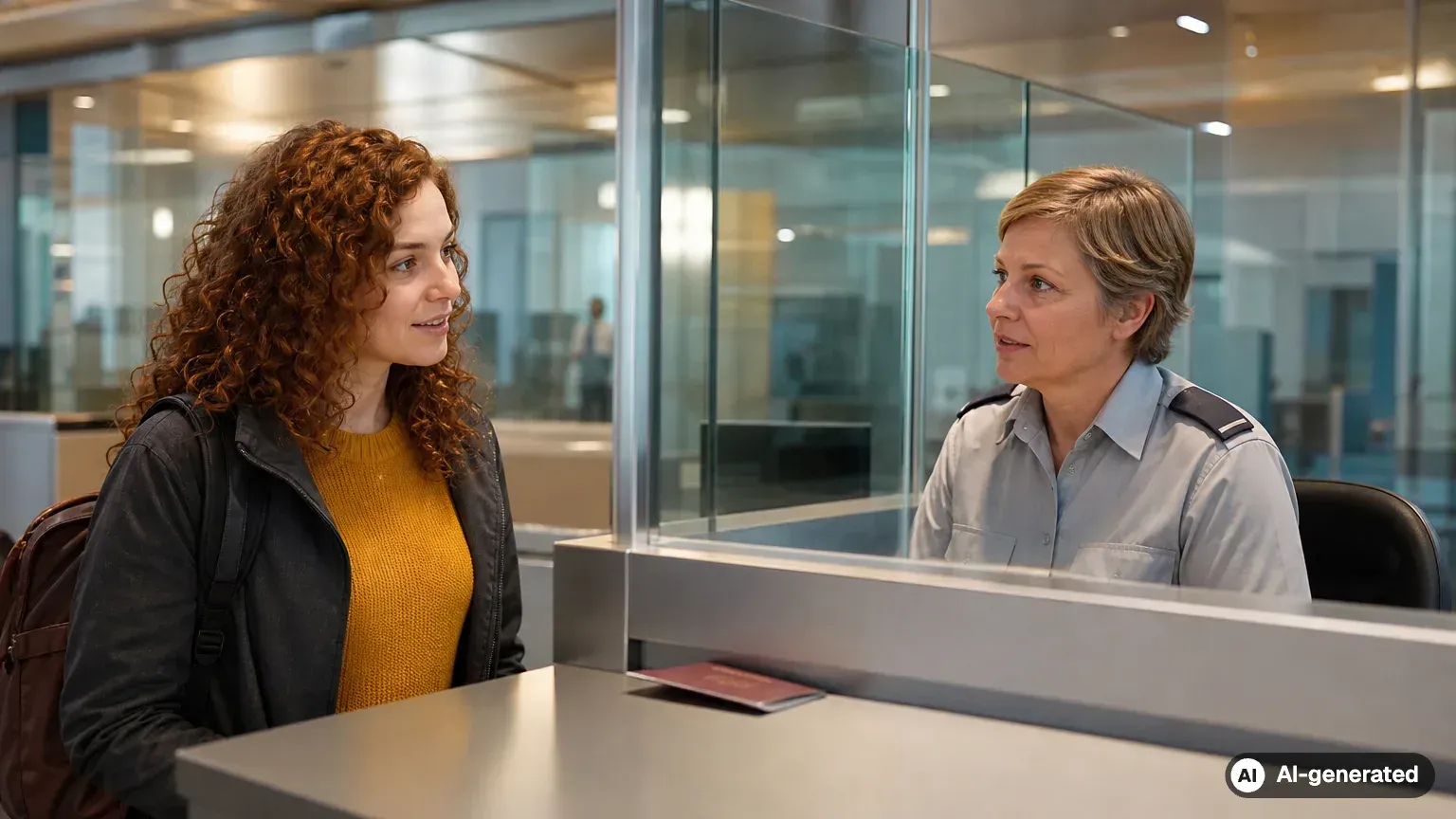
A valid visa, an eTA, an ESTA for travel to the United States, or another travel authorization does not replace the entry decision at the border. Border officers may ask about your lodging, trip purpose, return flight, and available funds.
Entry may be refused despite a valid visa if you do not meet the requirements at the border. Possible reasons include insufficient funds, conflicting information about your trip, or no evidence that you plan to leave. A visa therefore does not provide an unrestricted right to enter.
For longer stays
Study, work, family reunification, and immigration programs often have detailed financial requirements. Canada, for example, publishes set amounts for certain Express Entry programs. These figures are updated regularly, so the amount in effect when you apply is the relevant one.
These amounts apply to specific immigration programs and are not general daily spending requirements for tourists. For a vacation in Canada, the assessment may instead consider factors such as trip length, lodging, and travel plans.
Which documents can you use?
Accepted documents vary by country and application process. Effective proof of funds shows who owns the money, how much is available, and whether the amount is appropriate for the planned trip.
Commonly accepted documents include:
- recent bank statements showing your name and account details
- a bank letter confirming the account and available balance
- pay stubs or an employment letter
- tax records if you are self-employed
- savings or fixed-term deposit records showing short-term availability
- credit card statements showing the available credit limit
- receipts for prepaid flights and lodging
- a sponsorship letter or formal financial undertaking
Bank statements
Bank statements are widely used because they show both your balance and transaction history. For visitor visa applications, Canada lists bank records showing at least six months of account activity as one possible form of evidence. Australia lists detailed personal bank statements covering three months for certain visitor visas.
A single printout of your current balance may therefore be insufficient for some applications. If your name, account details, or earlier transactions are missing, it may be harder to assess your financial situation. Redact only information that is clearly unnecessary for the review.
Credit cards and cash
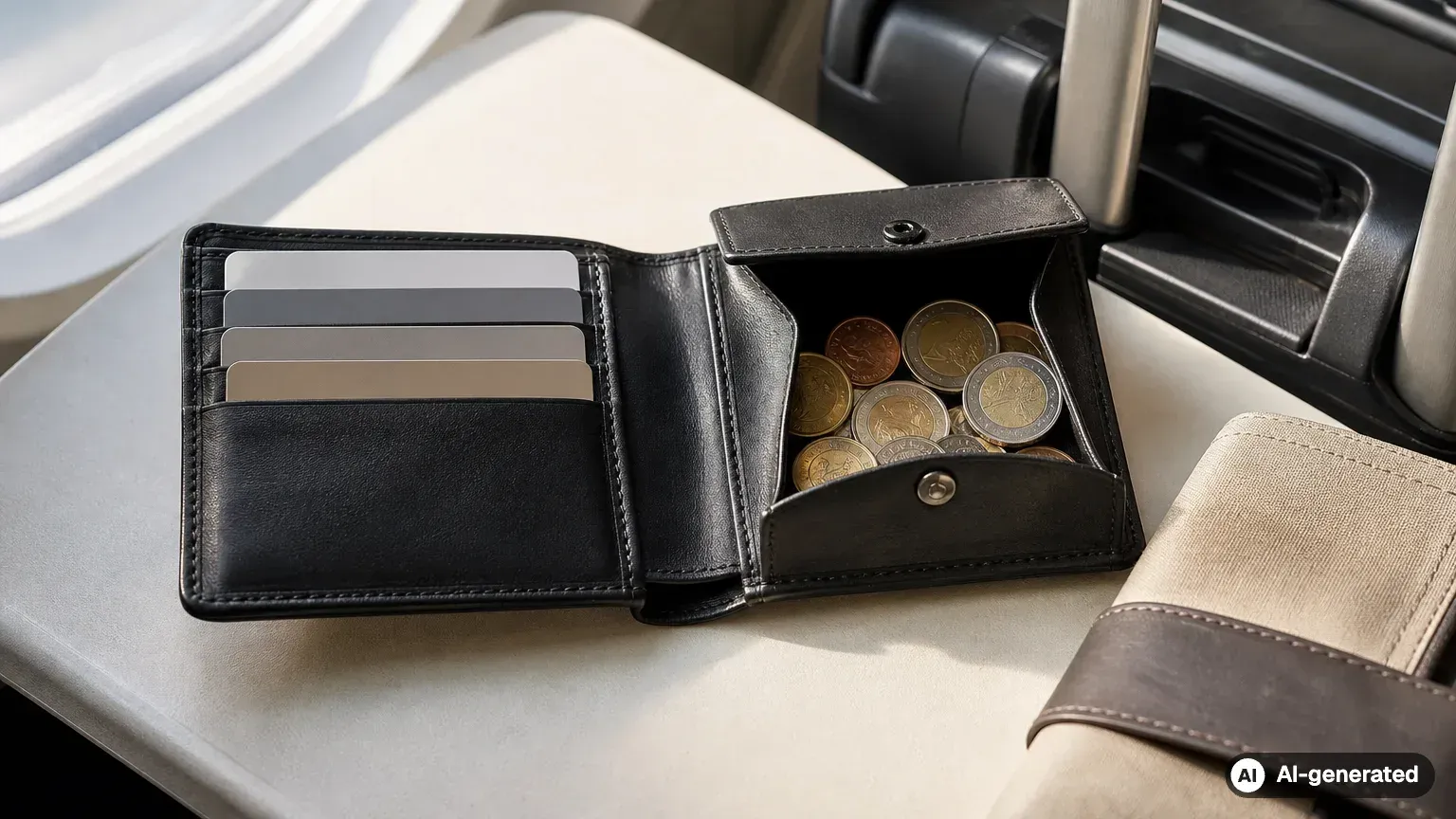
Simply carrying a credit card does not prove that you have sufficient funds. Some countries may also expect evidence of the available credit limit or linked funds. Cash may be accepted, but it does not show where the money came from or provide evidence of your longer-term financial situation.
For a visa application, bank records are usually more informative than a photo of cash. At the border, a combination of payment methods, a bank statement, and confirmed lodging may be more persuasive than a single card.
Prepaid travel arrangements
Prepaid hotels, vacation packages, and return flights may affect how much additional money you need. Someone staying with relatives at no cost will have different lodging expenses from a traveler with several hotel bookings. Your funding must still be appropriate for the full length of the trip.
For border control, save relevant bookings and a current financial document for offline access. You can then open them even without cellular service or airport Wi-Fi.
How much money must be available?
There is no worldwide minimum amount. Some countries publish reference amounts, while others assess your budget based on trip length, lodging, return travel, and personal circumstances.
When applications are assessed individually, the expected total cost of the trip matters most. A short trip with a prepaid hotel and return flight requires a different available budget from a stay of several weeks without confirmed lodging. Children or other travelers you are supporting also increase the amount needed.
Do not account only for daily spending. Local transportation, unpaid lodging, and return or onward travel may also be considered. A high account balance does not automatically resolve conflicting information about your travel plans.
How do proof-of-funds requirements vary by country?
Spain publishes reference amounts for certain travelers. By contrast, the United Kingdom and Canada do not set a standard daily amount for ordinary visits. Australia lists specific documents that may serve as proof for certain visitor visas.
These examples show how the requirements can differ:
| Destination | Type of travel | Financial requirement | Possible evidence |
|---|---|---|---|
| Spain | Travelers covered by the relevant Schengen entry rules | For 2025, the published amounts were 118.40 euros per day and at least 1,065.60 euros | Cash, checks, or a credit card with supporting bank documentation |
| United Kingdom | Visitor stay | Sufficient funds, with no general daily rate | Financial records, accommodation details, and return travel arrangements |
| Canada | Tourist visit | Required amount depends on the length of stay and accommodation | Bank records and travel plans |
| Australia | Certain Visitor Visa applications | Sufficient funds for the stay and departure | Bank statements, pay records, or tax documents |
Spain
Spain publishes reference and minimum amounts for certain travelers, and these figures may change depending on the travel date. An additional minimum of 1,065.60 euros per person applied regardless of the length of stay. These amounts can change, so check the requirement for your specific travel dates.
These financial requirements do not apply in the same way to every traveler. They illustrate how specific proof-of-funds rules can be for groups covered by particular Schengen entry requirements.
United Kingdom
Depending on their nationality, short-term visitors may need a Standard Visitor visa or an eTA. Under the UK visitor rules, travelers must be able to pay for their stay and their return or onward journey.
The rules do not publish a standard minimum amount per day. Factors may include the length of stay, accommodation costs, available funds, and plans to leave the country.
Canada and Australia
Depending on nationality and mode of travel, visitors flying to Canada may need an eTA or a visitor visa. Border officials may still check whether a traveler has enough money for the stay. Canada does not publish a single general daily rate for visitors.
For Australia’s subclass 600 Visitor Visa, possible evidence includes bank statements covering three months, pay stubs, tax records, and fixed-term deposits. Depending on nationality and travel purpose, a different electronic travel authorization may apply. Its conditions must be checked separately from those of the visa mentioned here.
What if someone else is paying for your trip?
If another person pays your travel expenses, sponsorship may be accepted. The sponsor must show that they can cover the promised costs and genuinely intend to do so.
Depending on the destination, you may need to provide:
- a signed sponsorship letter confirming which costs will be covered
- proof of the sponsor’s identity
- evidence of your relationship
- the sponsor’s bank statements and proof of income
- details of the trip length and accommodation
- a formal financial guarantee, where required
An invitation alone does not automatically prove financial support. It may explain the purpose of the trip and the accommodation arrangements, but it does not necessarily create a legally or financially binding commitment to cover expenses.
If you and another person are sharing the costs, the documents should clearly show who is paying for what. Contradictions between the application, invitation, and bank records may lead to questions or requests for further evidence.
Which mistakes can weaken proof of funds?
Outdated, incomplete, or unclear documents cause the most common problems. The amount shown must also make sense for the length of the trip and the expected expenses.
These issues can make an assessment more difficult:
- The account holder’s name is not visible.
- The bank statements are older than the application process allows.
- A large deposit appears shortly before the application without an explanation.
- A credit card statement does not show the available credit limit.
- The money is invested and cannot be accessed at short notice.
- The trip length does not match the available budget.
- Sponsorship documents do not explain the relationship or which costs will be covered.
- Required translations or certifications are missing.
- Accommodation and return or onward travel remain unclear.
An unusually large deposit does not automatically lead to a refusal. Include credible evidence showing where the money came from, such as a sale agreement, salary payment, or documented transfer from your own savings account.
If a visa was refused because of insufficient funds, compare the stated reasons carefully with the documents you submitted. Depending on the process, you may be able to provide additional evidence, appeal the decision, or submit a new application. Do not resubmit the same documents unchanged if they do not address the reason for refusal.
How should you prepare your documents?
Start with the requirements for your nationality, travel purpose, and specific travel authorization. A visitor visa may require different financial documents from an eTA, student visa, or visa-free entry.
This order can make preparation easier:
- Estimate the cost of accommodation, daily expenses, and return travel.
- Subtract services that you have already paid for and can document.
- Select recent documents that clearly show the account holder’s name.
- Explain unusual deposits and large transfers.
- If someone else is paying, add the sponsor’s supporting documents.
- Check the language, translation, and certification requirements.
- Carry relevant evidence digitally and, if necessary, as printed copies.
Provide only documents relevant to the application process or border check. Financial records contain sensitive information, so store them securely and submit them only through the designated application channel.
Proof of funds for visa applications
A visa application may be submitted directly to the relevant authority or through an application service if that route is available. A service can assist with preparing and submitting the application for an additional service fee. This fee is separate from the official visa fee.
Official fees and service fees can change. The type and format of financial evidence also depend on the visa. Neither using a service nor showing a particularly high account balance ensures approval.
An application is easier to assess when the financial records, accommodation arrangements, and travel purpose are consistent. Make sure the travel dates and costs match across forms, bookings, invitations, and sponsorship documents.
A credible travel budget matters more than a single number
Whether you should prepare additional financial documents does not depend on your account balance alone. Your budget must suit the planned trip, and the money must be genuinely accessible. A short, fully booked trip requires different evidence from a long stay with flexible plans.
If you are traveling without a confirmed return flight, relying on someone else for financial support, or staying for several months, prepare your documents especially carefully. This will help you answer specific questions about accommodation, living expenses, and your planned departure.
Frequently asked questions
Can I use a joint account?
A joint account may be acceptable if you are clearly identified as an account holder and have access to the funds. If the account belongs solely to someone else, you will usually need additional sponsorship documents confirming that they will cover your expenses.
Is an online banking screenshot enough?
A screenshot can be useful at the border, but it does not automatically meet visa application requirements. Formal applications often require complete bank statements or bank letters showing your name, account details, and the relevant period.
Do children need to provide their own proof of funds?
Children do not necessarily need to pay for the trip from their own assets. However, the parent, guardian, or sponsor should be able to show that their funds are sufficient for everyone traveling with them.
Can I redact information from my bank statements?
You may be able to redact irrelevant transaction details. Your name, account ownership, balance, and relevant transactions should remain visible. Follow the document requirements for the specific application process.
Are cryptocurrencies accepted as proof of funds?
Because of price volatility and access restrictions, cryptocurrencies are often not considered equivalent to money held in a bank account. If an application requires liquid funds that are immediately available, conventional bank or savings account records are more reliable.
Does proof of funds need to be in English?
That depends on the language requirements of the application process. Some organizations accept bank documents in other languages, while others require a translation or specific format. If a certified translation is required, you cannot replace it with a translation you prepared yourself.