Deutsch
 English

After a long journey, you reach the border with a valid visa in your passport. Even then, you can be denied entry. A visa generally allows you to travel to a border crossing and request admission, but it does not automatically grant entry.
Entry requirements depend on your nationality, destination and travel purpose. Visa rules may also differ from the rights that citizens or legal residents have under regional freedom-of-movement agreements.
Key takeaways
- A valid visa does not guarantee entry because border officers check additional requirements.
- Entry may be denied if your travel purpose does not match your visa, your passport is invalid or you have used all permitted days.
- Schengen short stays are generally limited to 90 days in any rolling 180-day period.
- You should be able to provide credible evidence of accommodation, onward or return travel and sufficient funds.
- If entry is formally refused, you will usually receive a written explanation.
Why can you be denied entry despite having a visa?
Receiving a visa and being admitted at the border are two separate decisions. The visa confirms that your application was reviewed and approved before the trip. At the border, officers check whether you still meet the entry requirements on the day you arrive.
Your circumstances may have changed since the visa was issued. New security information, a damaged passport or different travel plans can also affect the decision. Border officers may therefore ask again about your travel purpose, accommodation, return journey and finances.
This principle is explicit in the United States. According to the US Department of State, a visa allows you to travel to a port of entry and request admission. The decision on whether to admit you is made when you arrive.
What can lead to denied entry?
Entry may be refused if you have a visa but do not meet another requirement. Problems commonly involve the passport, the actual purpose of the trip or the permitted length of stay.
Common reasons for denied entry include:
- Your passport has expired, is damaged or does not have enough validity remaining.
- Your visa does not cover the specific country, territory or travel period.
- You have already used the permitted number of entries or days of stay.
- Your actual travel purpose does not match the visa category.
- Your answers at the border conflict with information in your visa application.
- You cannot provide credible evidence of accommodation, return travel or onward travel.
- You cannot show how you will fund your stay.
- A required registration, arrival card or transit authorization is missing.
- An entry ban or relevant security alert applies to you.
- Officers suspect that your passport or visa is forged or has been altered.
Being denied entry is not the same as having a denied visa. A visa denial ends the application process before travel without a visa being issued. If you are refused at the border, you already hold a visa but are considered not to meet at least one other entry condition.
What do border officers check?
Border control checks your identity, documents and intended stay. Officers may compare information from your visa application with your answers, travel documents and recorded entry history.
Checks often cover:
- Identity and nationality
- Passport authenticity and validity
- Visa validity, category and permitted number of entries
- Purpose, destination and planned length of the trip
- Accommodation and itinerary
- Return or onward ticket
- Funds for the stay and departure
- Previous entries and overstays
- Biometric data and records in security databases
You should be able to answer questions briefly, truthfully and consistently. A hotel booking may not be enough if your other answers suggest a different travel plan. A return ticket may also fail to resolve concerns if you say that you intend to remain longer than your visa allows.
Keep your passport, visa, booking confirmations, return ticket and insurance documents together and easy to reach. Digital copies can provide additional backup if electronic evidence is accepted at the border.
How must your passport and visa match?
Your passport and visa must clearly belong to the same person. Your name, date of birth, nationality and passport number should not contain unexplained differences. Even a valid visa will not help if the associated travel document fails to meet the entry requirements.
Many countries require your passport to remain valid beyond the planned end of your trip. Whether you need three or six months of validity remaining depends on the destination, your nationality and sometimes the visa category. Some destinations also limit how long ago the passport may have been issued.
Visa in an old passport
A visa does not remain usable everywhere after you replace your passport. Some countries accept an undamaged visa in the old passport when presented with the new passport. Others require the visa to be transferred or a new application to be submitted.
Before booking, check whether old visas remain valid after a passport replacement. Carry the old passport only if it has not been altered and the destination allows you to use the visa inside it. Different names or personal details may require additional evidence.
Damaged or altered documents
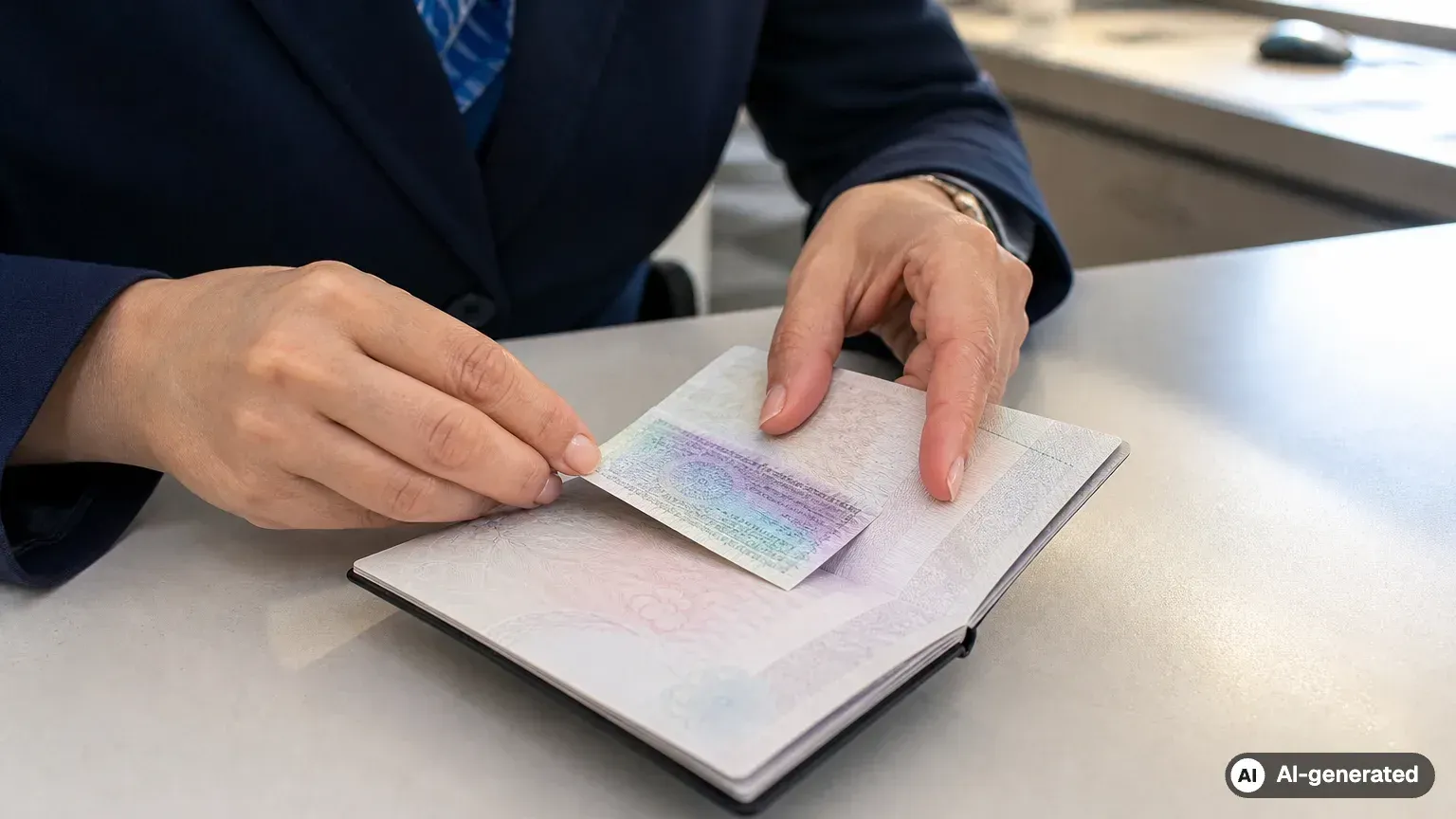
Water damage, torn data pages or a damaged machine-readable zone can prevent a passport from being checked. The same may apply if its electronic chip cannot be read. Visible changes to a visa can raise doubts about its authenticity.
Do not tape, laminate or attempt to repair a document yourself. If its condition is uncertain, check before traveling whether you need a replacement passport or a new visa.
Why must your travel purpose match your visa?
A visa is issued for a specific purpose. If you try to enter with a visitor visa but actually plan to work, begin a longer course of study or settle permanently, you may be denied entry.
In the United Kingdom, existing permission to enter may be canceled if the actual purpose of the trip differs from the permission granted. Problems can also arise if the trip shifts mainly to another destination or important information from the original application is no longer accurate.
A change of plans is not automatically prohibited. What matters is whether the revised plan remains covered by your visa category and the entry conditions. A short family visit cannot become a work stay without the appropriate permission.
When have you used your full permitted stay?
The printed validity period of a visa and the permitted length of stay are not the same. A visa may still be valid by date even though you have already used every day you were allowed to stay.
For example, a visa may be valid from January 1 to June 30 but allow only 30 days of stay in total. If you have already used those 30 days, the remaining validity period does not permit another stay. A multiple-entry visa also does not override the maximum number of permitted days.
To understand what a visa valid until a particular date actually allows, read several details separately. These include the start date, expiration date, number of entries and maximum length of stay.
The Schengen 90/180-day rule
Schengen short stays are generally limited to 90 days in any rolling 180-day period. For each day of your stay, the immediately preceding 180 days are counted. Previous visits can therefore limit a new stay.
The Schengen Borders Code requires more than a valid visa. Travelers must also have a valid travel document, a credible purpose for the stay and sufficient funds. An alert in the Schengen Information System can also result in denied entry.
How can you reduce the risk of being denied entry?
Compare your current trip with the information in your visa application. Your destination, purpose, length of stay and accommodation should form a credible and consistent plan. If there have been major changes, check before departure whether your existing visa still covers the new arrangements.

You may need these documents at border control:
- A valid passport and, if applicable, the old passport containing the visa
- A printed or digital visa confirmation
- Evidence of accommodation or an invitation
- A return or onward ticket
- An itinerary showing where you plan to stay
- Evidence of sufficient funds
- Travel health insurance, if required
- An additional arrival card, registration or transit authorization
Check the spelling of all personal details as well. A single incorrect letter may not necessarily result in refusal, but it can lead to questions and delays. Your passport number, full name and date of birth are particularly important.
Do not create bookings or supporting documents solely for inspection if they do not reflect your real plans. False or misleading evidence can have consequences beyond the immediate refusal and may affect future travel.
What happens if you are denied entry?
When entry is formally refused, the responsible border agency records the reason. In the Schengen Area, this is generally provided in writing on a standardized form. You can appeal the decision, but you normally cannot enter while the appeal is being considered.
If you arrived by plane, ship or another form of commercial transportation, the carrier may be required to return you or take you onward. Until departure, you will often remain in a controlled area of the airport or border crossing.
Who ultimately pays for the return journey depends on the destination’s laws and the carrier’s terms. The carrier will often arrange or initially pay for transportation but may later seek reimbursement from you.
Keep the written decision, booking receipts and every document you receive. Record the questions you were asked and which evidence officers considered insufficient. If needed, contact the embassy or consulate representing your nationality or seek independent legal advice.
A refusal of entry does not always cancel your visa automatically. However, the decision may be accompanied by cancellation or revocation. Whether you can travel again depends on the stated reason and the destination’s rules.
How do digital systems reveal previous stays?
Border agencies increasingly use biometric data and centralized entry systems. These systems make it easier to identify previous stays, differences in identity records and documented refusals. Missing passport stamps therefore do not prevent an overstay from being detected.
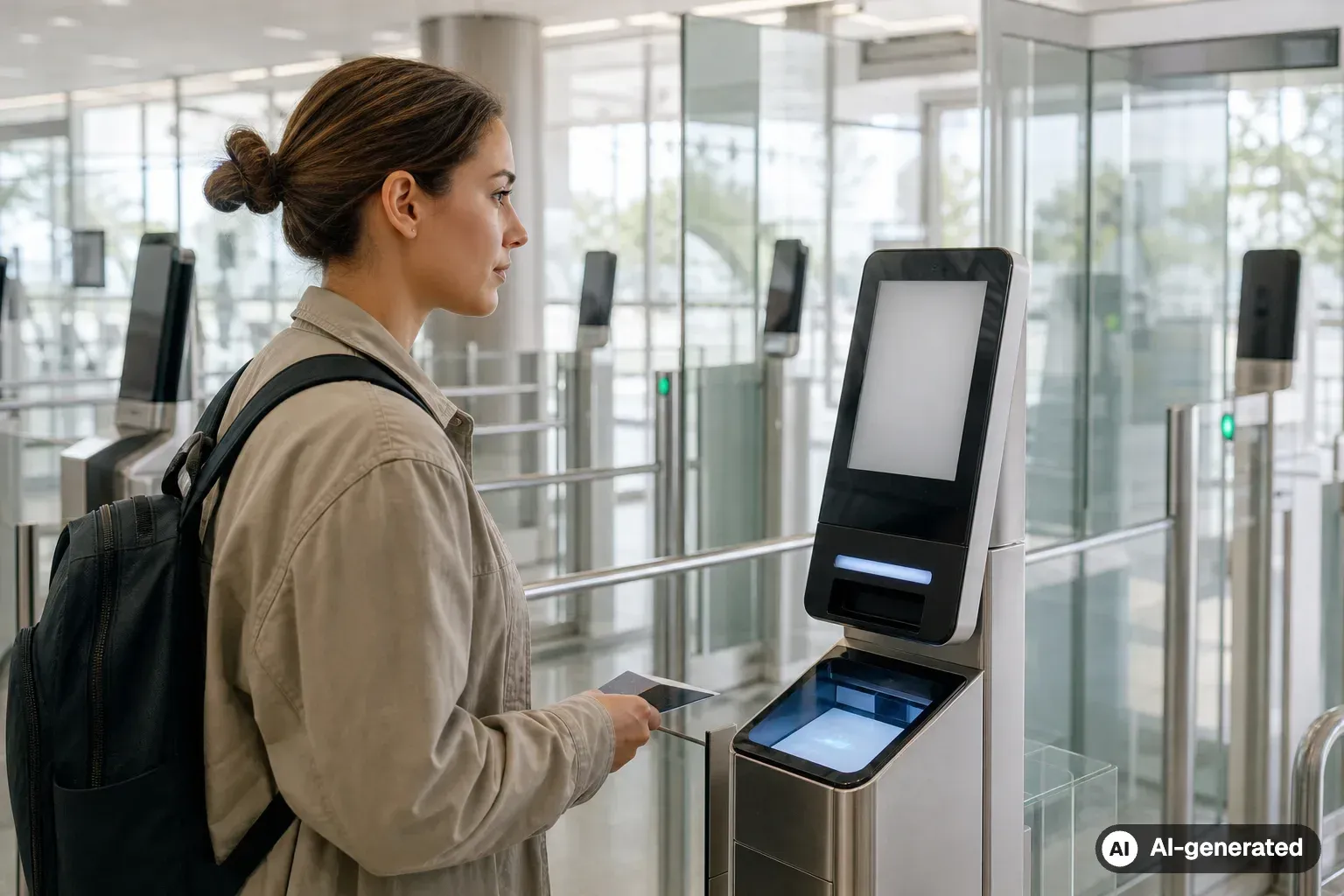
The Entry/Exit System records entry and exit information for non-citizens making short stays at participating European external borders. The records include biometric data and refusals of entry. The phased rollout began on October 12, 2025, and the system became fully operational on April 10, 2026.
Whether the system applies to you depends on your nationality, residence status and type of trip. Other destinations may use comparable digital border-control systems.
Entry depends on the overall picture of your trip
Changes to your plans matter most when they are no longer covered by the visa category you received.
If your plans have changed since your visa application, compare the revised trip with the conditions of your visa. When your purpose and documents are consistent, you can answer specific questions clearly and avoid unnecessary contradictions.
Frequently asked questions
Can an airline refuse to let you board?
Yes. Airlines check before departure whether passengers have the documents required for their destination and any transit points. If the airline believes a requirement is missing, it may deny boarding even if you hold a visa.
Does a visa automatically cover every part of a country?
No. Certain territories may have separate entry rules or require an additional permit. Check whether your visa covers both the country and the specific area you plan to visit.
Do children need their own documents at the border?
Yes. Every child traveling with you needs the required individual travel documents and, where applicable, a separate visa. Additional consent documents may be required if the child is not traveling with every parent or legal guardian.
Can a missing transit visa prevent your trip?
Yes. If your itinerary passes through a country that requires you to hold a transit visa, you may need additional authorization even with a valid visa for your final destination. The rules depend on your route, nationality, airport changes and whether you must collect your baggage.
What should you do if your visa is damaged shortly before travel?
Do not use a damaged visa without checking whether it will be accepted. Depending on the destination, you may need a replacement, a transfer or a new application. Taping or laminating the visa yourself can make inspection more difficult.
Can your embassy help if you are denied entry?
Your embassy or consulate may provide information, help you find local contacts and offer consular assistance within its authority. It cannot overturn the destination’s border decision or require the country to admit you.