Deutsch
 English

You land at your destination and apply for your visa only after arrival. This process is called a Visa on Arrival, and it is available only to eligible nationalities. Your trip purpose, length of stay, and entry point must also meet the destination’s requirements.
The rules are based primarily on the passport you use. Your country of residence, residence permit, or departure point does not replace the requirements attached to your nationality and travel document.
Key takeaways
- You apply for a Visa on Arrival at an approved airport, seaport, or land border crossing.
- Eligible travelers to Indonesia can currently receive a 30-day stay for 500,000 Indonesian rupiah.
- Nepal offers tourist visas on arrival for 15, 30, or 90 days.
- Travelers to the Maldives must submit a free Traveller Declaration within 96 hours before arrival.
- An onward ticket, proof of accommodation, and sufficient passport validity may be required for entry.
Who can get a Visa on Arrival?
Only travelers whose nationality is eligible for the destination’s Visa on Arrival program can use this option. The country may also limit eligibility to tourism, specific lengths of stay, and selected border crossings.
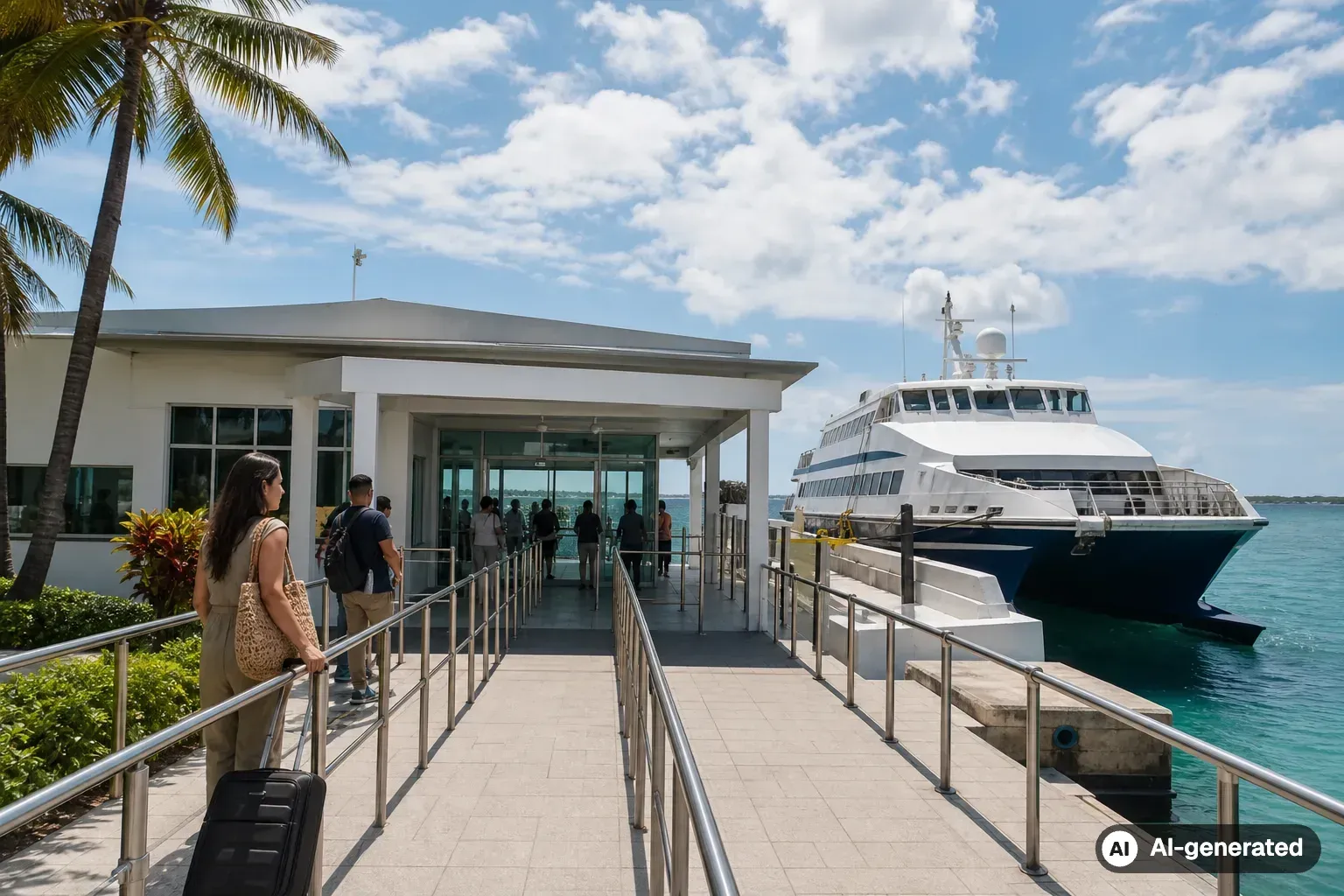
Eligibility based on nationality does not mean you can enter through every border crossing. An international airport may issue the visa, while a smaller land crossing may not. Cruise ports and ferry terminals can also apply their own procedures.
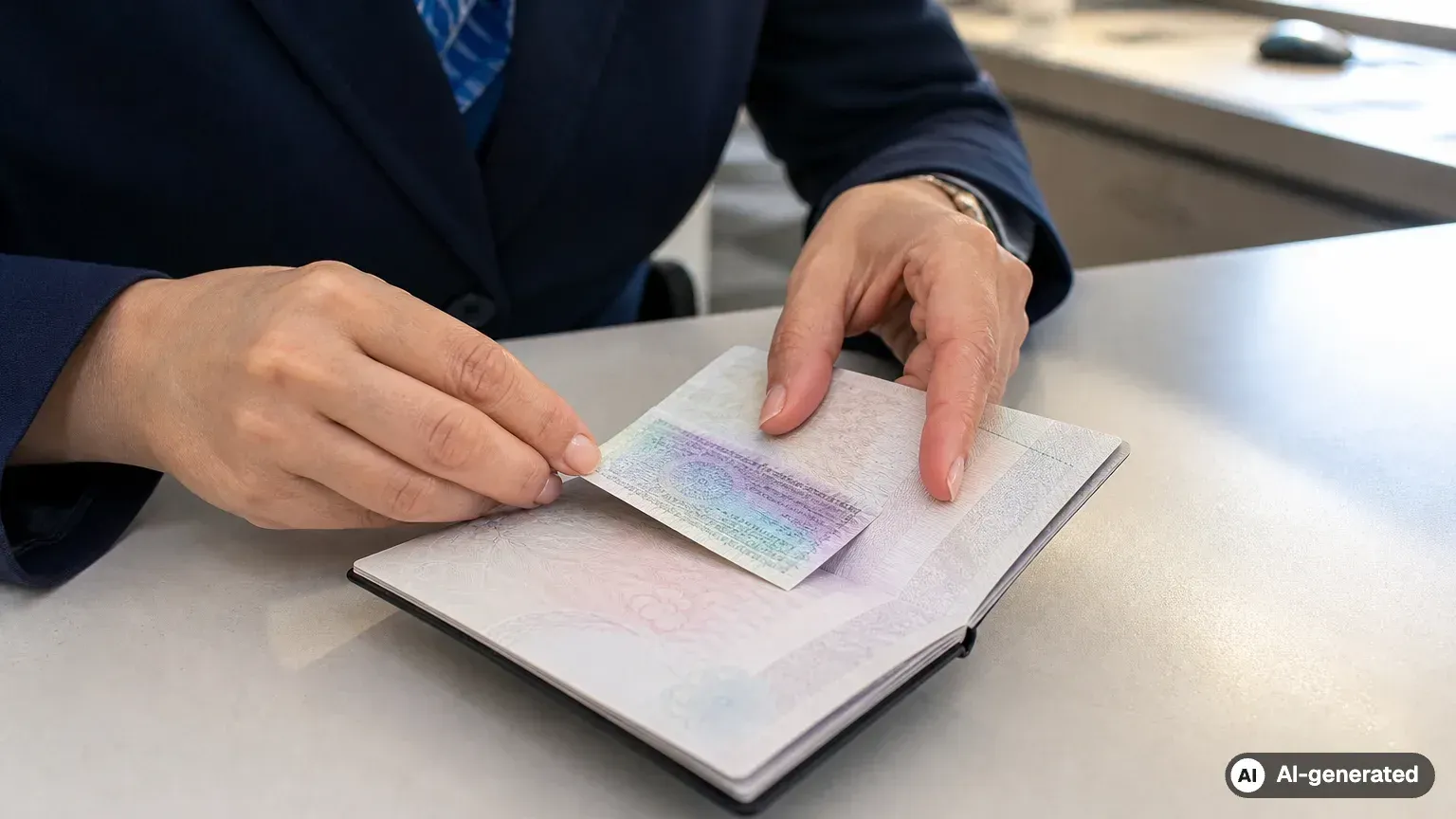
A visa on arrival is not automatic permission to enter. Border officers check your documents, trip purpose, and planned length of stay. The visa is issued as a stamp, sticker, or electronic record only after this review.
How do the different entry procedures compare?
The main difference is when and how authorization is granted. With a Visa on Arrival, the visa review takes place at the border. An eVisa is approved online before departure.
The differences between an eVisa, eTA, ESTA, and visa matter particularly when you travel by air. An eTA and ESTA are electronic travel authorizations, not visas. A digital arrival card mainly records passport and travel information.
The main entry options compare as follows:
| Entry option | When it is handled | Typical process |
|---|---|---|
| Visa-free entry | No visa application | Review at border control |
| Visa on Arrival | Upon arrival | Application, payment, and review at the entry point |
| eVisa | Before travel | Online application and approval before departure |
| Consular visa | Before travel | Application through an embassy or consulate |
If a country offers an eVisa as an alternative to a Visa on Arrival, you can often submit the online application yourself. An application service can also help prepare it. In that case, a separate service fee applies in addition to the government visa fee.
Which documents do you need on arrival?
The exact document list depends on your destination, nationality, and trip purpose. Common requirements include a valid passport, a return or onward ticket, proof of accommodation, and an accepted payment method for the visa fee.

You may be asked for the following at an airport or another approved entry point:
- machine-readable passport
- the required remaining passport validity
- at least one blank passport page
- return or onward ticket
- confirmation of your first accommodation
- proof of sufficient funds
- completed arrival card or digital declaration
- passport photo, if required by the process
- visa fee in an accepted currency or by card
- vaccination certificate, if required for your itinerary
National entry rules determine why a passport may need three or six months of remaining validity. Some countries calculate this period from your arrival date, while others use your planned departure date. The Maldives currently applies a shorter minimum requirement of one month for its tourist visa on arrival.
Keep essential documents available offline as well. A saved PDF or printed copy can help if mobile internet is unavailable at the border.
Save your booking confirmations, tickets, declarations, and payment receipts in one offline folder before departure.
Apply online
e-VOA for Indonesia (Electronic Visa on Arrival): apply online
* Affiliate link
How does the Visa on Arrival process work?
After landing, go to the designated visa counter or self-service kiosk. Submit the form, pay the fee, and present your documents during immigration control.

The process usually involves these steps:
- Enter through an approved airport, seaport, or land border crossing.
- Complete the visa form or required entry declaration.
- Pay the government visa fee using an accepted payment method.
- Present your passport, ticket, accommodation details, and any other required documents.
- Border officers review your eligibility and stated trip purpose.
- After approval, you receive the visa or corresponding entry endorsement.
In Nepal, you can enter your application details online before traveling or use a kiosk at Tribhuvan International Airport after landing. You then pay the fee and present the confirmation during immigration control.
Allow enough time between landing and any onward connection. Lines, technical issues, or additional questions can delay entry, so no fixed processing time can be promised.
How much does a Visa on Arrival cost?
Visa costs depend on the country, length of stay, visa category, and number of permitted entries. Your nationality and entry point may also affect the price.
Indonesia currently publishes a government fee of 500,000 Indonesian rupiah for its tourist Visa on Arrival. Nepal lists fees of US$30 for 15 days, US$50 for 30 days, and US$125 for 90 days. These amounts reflect information researched on October 11, 2026, and may change.
Check which payment methods your entry point accepts. Depending on the country, you may be able to pay in local currency, US dollars, euros, or by card. Exchange-rate costs and bank fees may apply.
A free entry declaration does not necessarily mean the visa is free. Likewise, a tourist visa may be issued without a general advance fee even when a digital declaration is mandatory.
How do three popular destinations compare?
Indonesia, Nepal, and the Maldives show how much Visa on Arrival procedures can vary. Options range from a paid 30-day visa to entry that requires a free digital declaration before departure.
Indonesia
Eligible nationalities can obtain an Indonesian Visa on Arrival for tourism. It initially allows a stay of 30 days and can be extended once for another 30 days.
The currently published government fee is 500,000 Indonesian rupiah. The process is available only at approved entry points. Travelers landing at Denpasar International Airport in Bali can apply at the airport.
You must apply for an extension in time and follow the required procedure. Your arrival date already counts toward the permitted length of stay.
Nepal
Nepal offers tourist visas on arrival for 15, 30, or 90 days. Fees increase with the selected length of stay. The tourist visa is issued as a multiple-entry visa, allowing several entries while it remains valid.
After completing the Arrival Card, you submit the online form or enter your details at a kiosk, pay the fee, and proceed to passport control. The published fee for a 30-day stay is US$50.
Extensions are possible within Nepal’s applicable rules. Do not wait until your current authorized stay has expired.
Maldives
Tourists generally receive a visa on arrival in the Maldives. Advance visa approval is not part of this process, but a digital Traveller Declaration is still required.
You must submit the declaration electronically within 96 hours before arrival. It is free and does not replace the border inspection. The Maldives immigration authority also lists a machine-readable passport, confirmed return ticket, accommodation, and sufficient funds among the requirements.
Each accompanying child needs a separate passport and an individual Traveller Declaration. Being listed in a parent or guardian’s document is not sufficient.
Which mistakes can put your entry at risk?
Problems most often arise from using an unapproved entry point, missing documents, or traveling for a purpose the visa does not cover. A valid airline ticket does not create a right to receive the visa.
The border crossing does not issue the visa
Not every airport or land crossing accepts Visa on Arrival applications. This is especially relevant at smaller border posts and regional airports. Check your full route if you are not entering through the destination’s main international airport.
Your passport does not meet the requirements
An undamaged passport may still be unsuitable if its remaining validity is too short. Missing blank pages or a passport that is not machine-readable can also cause problems. Emergency or temporary passports are not always treated the same as standard passports.
Your ticket or accommodation details are missing
Border officers may ask for proof of when and how you plan to leave. Your first accommodation address is also commonly required on the application form. Keep your booking confirmations within easy reach.
Your trip purpose does not match the visa
A tourist Visa on Arrival does not permit unrestricted employment. Work, study, journalism, and longer business stays often require different visa categories. Choose your visa based on what you will actually do, not only on how long you plan to stay.
You exceed the permitted length of stay
The permitted stay often begins on your arrival date. Overstaying can lead to additional charges, fines, or problems when leaving. It may also affect future entry.
Your passport matters more than your residence
Visa rules are determined mainly by your nationality and the travel document you use. Living in another country or holding a residence permit there does not automatically give you the same entry rights as that country’s citizens.
Requirements can differ even for travelers who live in the same country. If you have dual nationality, confirm which passport you must use for the visa application and entry before booking. Your airline reservation, visa application, and entry documents should contain the same passport details.
Germany generally does not issue a traditional Visa on Arrival to travelers who require a visa, as the necessary Schengen visa must normally be obtained before entry.
A Visa on Arrival still requires careful planning
This process can suit your trip if your passport is eligible and you arrive through an approved entry point. If an eVisa is also available, advance approval may be more convenient because part of the review takes place before departure.
The fact that a country offers a Visa on Arrival is not enough by itself. Your specific route, actual trip purpose, and supporting documents determine whether this entry option fits your plans.
Apply online
e-VOA for Indonesia (Electronic Visa on Arrival): apply online
* Affiliate link
Frequently asked questions
Does a Visa on Arrival apply during a stopover?
If you stay entirely within the international transit area, you often do not need to enter the country. If you want to leave the airport or must collect and recheck your luggage, the transit country’s regular entry rules apply.
Can I enter multiple times with a Visa on Arrival?
That depends on the visa category. A single-entry visa normally ends when you leave. A multiple-entry visa permits several entries during its validity, subject to the applicable limits on each stay.
What happens if I replace my passport?
Forms and digital declarations completed in advance contain your old passport number. You may need to submit them again after replacing your passport. Travel with the document whose details appear in your current application.
Can someone else complete the form for me?
Another person or an application service can help with digital forms. The information must still match your documents. You must appear in person at the border and complete the inspection yourself.
What happens if my flight is diverted?
If your flight lands at a different airport, that airport must also be approved for the Visa on Arrival process. The airline and border officers will determine whether entry is possible there or whether another arrangement is needed.