
 DE
DE
 EN
EN
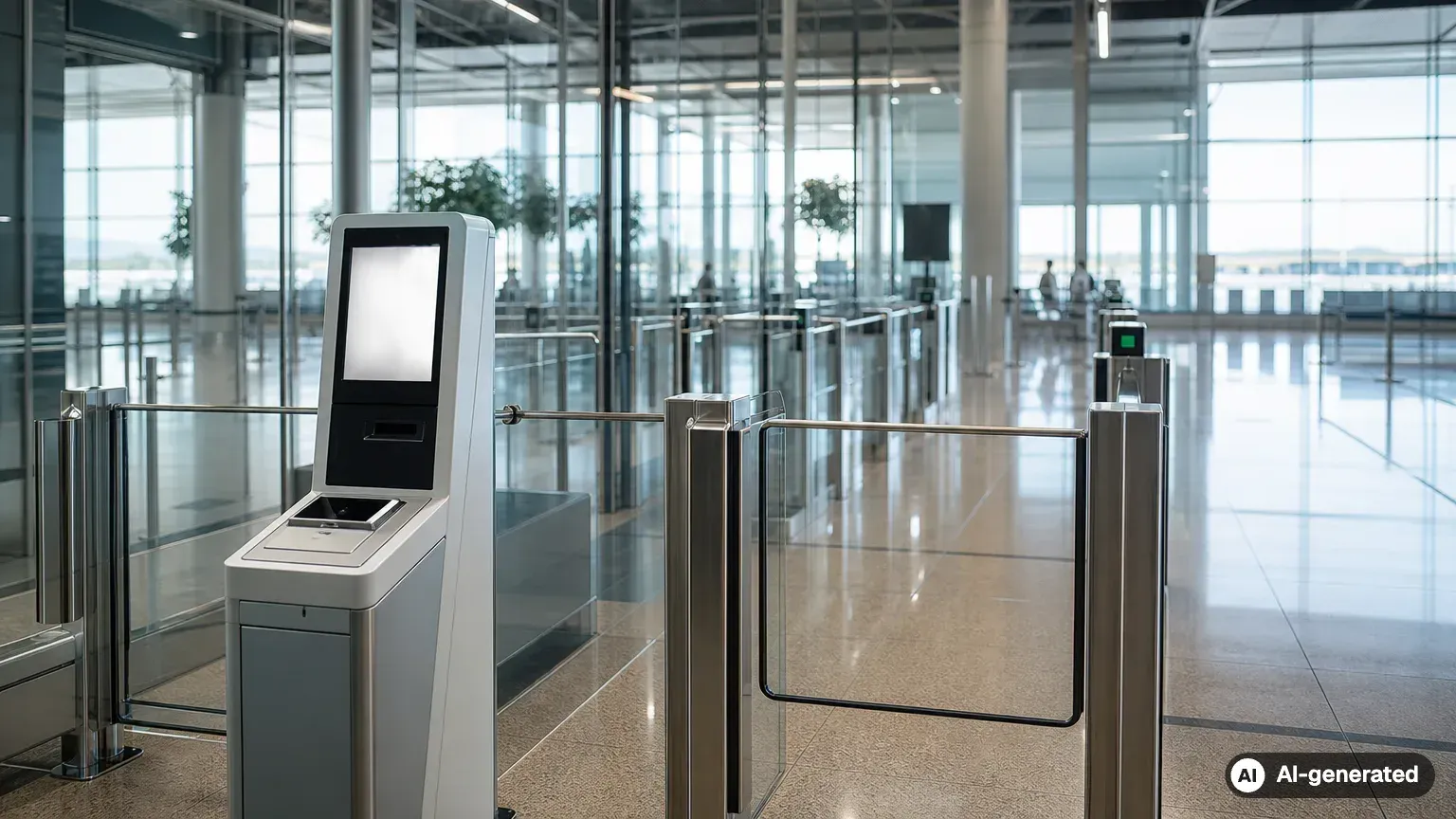
Before departure, more and more destinations require an additional digital step. A digital arrival card collects personal details, passport information and travel plans. Entry requirements depend on your nationality, destination and, in some cases, your route.
An arrival card is separate from a visa or electronic travel authorization. Check each requirement individually before you travel, especially if you are travelling with children, changing flights or visiting more than one country.
Key takeaways
- A digital arrival card does not replace a visa or electronic travel authorization.
- For Singapore, the SG Arrival Card must be submitted within 3 days, including the day of arrival.
- Enter your passport number, travel dates and first accommodation accurately and in full.
- You can submit the card yourself through the relevant authority or use a service that checks and submits it for a service fee.
- Save the confirmation as a PDF and offline on your phone.
Why is entry information collected before you arrive?
Authorities use digital entry forms to receive information before travellers arrive. This can help prepare border checks, reduce paper use and support processing at airports and land borders.
Preparing border checks
An arrival card often includes your name, date of birth, nationality and passport number. It may also ask for your arrival date, flight number, purpose of travel and first accommodation. Some destinations additionally request health or customs information.
Providing this information in advance allows authorities to carry out basic plausibility checks. For example, they may identify an incomplete travel date or a passport number that does not match the expected format. However, this does not mean your border check will be trouble-free or especially short.
Fewer paper forms
Digital systems increasingly replace cards that were once handed out on board aircraft or in arrival halls. When Singapore introduced its system, it expected to save up to 48 million paper cards each year. This was an official historical estimate from the launch period.
For travellers, this means preparation moves earlier. Instead of completing a form just before passport control, you may need to have the required information ready 1 to 3 days before arrival. This can be more difficult while travelling without internet access.
What types of digital entry systems are there?
Not every electronic border system is an arrival card. The key differences are who enters the data, what it is used for and whether the system is a separate travel authorization.
This overview shows the main distinctions:
| System | Who provides the data | Main purpose | What it means for entry |
|---|---|---|---|
| Arrival Card | Usually the traveller | Collect travel, stay and passport details | Usually does not replace a visa |
| Visa or eTA | Application by the traveller | Assess travel eligibility in advance | May be required before travel |
| API and PNR | Usually the carrier | Transmit passenger and booking data | Not a self-completed entry form |
| EES | Collected through the border system | Record entries and exits of certain people | Not a traditional arrival card |
Arrival Card and Online Immigration Form
Arrival Card is the English term for an entry card. The term electronic arrival card is used when it is submitted digitally. An Online Immigration Form may also include questions about health, accommodation or customs.
These names are not standardized internationally. A destination may call its form an entry declaration, arrival card or immigration form. The name alone does not reliably show which information you will need to provide.
API and PNR
Advance Passenger Information, or API, includes basic passenger data such as your name, date of birth, nationality and travel document details. Airlines often collect this information from your passport and transmit it before arrival.
Passenger Name Record, or PNR, refers to booking data. This can include your itinerary, booking information and contact details. Even if an airline transmits API or PNR data, an additional arrival card may still be required.
Apply online
Singapore: SG Arrival Card online now
* Affiliate link
When do you need to complete an Arrival Card?
Each destination sets its own submission window. Some forms can only be submitted on the day of arrival, while others can be submitted within 72 hours or several days before entry.

Check the submission window
A form submitted too early may fall outside the permitted period. Submitting very late may mean you still need to complete it at the airport. Check the requirement again shortly before your trip.
Depending on the system, the relevant date may be your scheduled arrival date rather than your departure date. On overnight flights and across time zones, these dates can differ. Follow the definition provided by the responsible authority.
Singapore as a practical example
Foreign visitors to Singapore generally need to submit the SG Arrival Card within 3 days, including the day of arrival. Submission through the authority’s official online service or app is free of charge. The form also includes an electronic health declaration.
Travellers who are only transiting in Singapore and do not pass through immigration control are among those exempt. The Immigration and Checkpoints Authority also states that the card is not a visa. It does not create a right to enter the country.
How do you complete an arrival card correctly?
Copy all information directly from your passport and booking documents. Differences in names, passport numbers or travel dates can lead to follow-up questions, re-entry of information or manual review.

Prepare your documents
Have your passport, transport booking and the address of your first accommodation ready. On a multi-stop trip, you will not usually need to list every stop. What matters is the address the form specifically asks for.
You will typically need the following information:
- full name and date of birth
- nationality and passport number
- passport issue and expiry dates
- arrival date, flight number or transport details
- first accommodation and contact details
Transfer details accurately
Enter your name exactly as it appears in the machine-readable zone of your passport. Pay particular attention to multiple given names, special characters and name changes. The portal may specify how special characters should be entered.
Check your passport number character by character as well. Letters and numbers can be easy to confuse. If you receive a new passport before travelling, your arrival card, visa and electronic travel authorization may need to be aligned with the new document details.
Save your confirmation offline
After submission, you will often receive a confirmation, reference number or PDF file. Save it on your phone, not only in your email inbox. A printout is usually not mandatory, but it can help if your battery is flat or you have no connection.
Tip: Keep the confirmation together with a copy of your passport and booking details in a travel folder that is available offline.
Then check whether flight changes, a new accommodation address or a passport replacement require a correction.
How can you submit an arrival card?
There are two options. You can complete the form yourself through the website or app of the responsible immigration or border authority. Or you can use a service that checks your details, submits the form and sends you the confirmation.
Submit it yourself through the authority
You can find the form on the website of the responsible authority. This option may suit you if you are comfortable completing the form independently and tracking the deadline yourself.
Use a service
A service may be useful if you are visiting several countries, want help keeping track of deadlines or want to reduce the risk of entry errors. A reliable provider states its price in advance, can be contacted and explains how it handles your data. In both cases, the border authority decides on entry.
Check costs before submitting
A digital arrival card may be free or subject to a fee. Official fees and payment methods can change. Check immediately before submission whether the responsible authority charges a fee.
For the SG Arrival Card, the authority does not charge a fee. If you use a service, you pay a service fee for checking and submission. The submitted card is the same in both cases.
How much does a digital arrival card cost?
There is no standard price worldwide. Some destinations provide the entry form free of charge, while others may charge fees for certain digital entry procedures.
Distinguish between an official fee and a service fee if you use a service. For every payment, check the amount, currency and refund policy. Official fees should never be treated as permanently fixed.
The cost of an arrival card also says nothing about other entry requirements. A visa, an eTA, vaccinations or a separate customs declaration may involve additional costs.
What role does data protection play?
Digital entry forms process sensitive personal data. This can include passport details, contact information, places of stay and, where applicable, health information. More extensive border systems may also collect biometric data.
Before submitting, check which authority is responsible and why it uses the information. The retention period, sharing with other bodies and options to access or correct your data are also relevant.
Our assessment: This applies to both an authority portal and a service. Enter passport data only where the operator, purpose and handling of your information are clearly stated.
What applies in Europe?
There is no single digital arrival card for all travel to Europe. Searches for one often refer instead to the Entry/Exit System, known as EES, or ETIAS.
Is EES an Arrival Card?
EES is a European entry and exit system. For certain non-EU nationals, it records travel document details, facial images, fingerprints, and the place and time of border crossings. According to the European Commission, EES has been fully operational at the external borders of participating countries since 10 April 2026.
EU citizens are not registered in EES. The system generally applies to non-EU nationals on short stays, although exceptions may apply. It is not a self-completed Online Immigration Form.
Does ETIAS serve a different purpose?
ETIAS is intended as an electronic travel authorization for certain visa-exempt non-EU nationals. It is neither an Arrival Card nor a visa. Whether you need ETIAS depends on your nationality and travel circumstances.
A destination can operate different systems at the same time. A travel authorization, national entry form and border registration may therefore all apply alongside one another. Check every step separately.
Which mistakes are especially common?
Most problems arise from confusion, missed deadlines or inaccurate entries. A systematic check before submission reduces this risk.
- Mistaking the arrival card for a visa.
- Submitting the form outside the permitted time window.
- Entering a name or passport number that differs from the travel document.
- Not updating the card after a flight or passport change.
- Not having the confirmation available offline during checks.
A submitted card does not guarantee carriage or entry. A visa or electronic travel authorization does not replace the border authority’s decision either.
What should you check before completing the digital form?
Treat the arrival card as a separate part of your travel preparation. This checklist is especially useful if you are visiting several countries or changing flights along the way.
- Check your visa, eTA and arrival card separately.
- Confirm the permitted submission window.
- Decide whether to submit it yourself or use a service.
- Compare every detail with your passport and booking.
- Save the confirmation and reference number offline.

Also check vaccination, health, customs and stay requirements. A digital registration covers these areas only if the form explicitly includes them.
How can you prepare for entry reliably?
Digital arrival cards help authorities process travel information before you arrive. For you, they create an additional requirement whose deadline and content depend on the destination.
Therefore, treat the Arrival Card as a separate step alongside your passport, visa and electronic travel authorization. Submit it on time yourself or through a service, enter your details accurately and save the confirmation offline. Before every departure, check the current conditions for your destination and your personal travel situation.
Apply online
Singapore: SG Arrival Card online now
* Affiliate link
Frequently asked questions
Is a digital arrival card a visa?
No. It usually records travel, passport and accommodation details. A visa or eTA may still be required. A confirmed submission also does not create a right to enter.
Do children need their own Arrival Card?
This depends on the destination. Children often need their own registration, even if an adult is allowed to complete the form for them. Some systems allow group submissions.
Can I change the form later?
Some portals offer a correction feature, while others require a new submission. If your passport, flight or accommodation changes, check the authority’s requirements rather than assuming your previous details remain sufficient.
Do I need to print the confirmation?
A printout is not always required. However, saving a PDF or screenshot offline is sensible. Whether paper is required is determined by the destination.
What happens if my passport number is wrong?
An incorrect passport number can prevent the electronic record from being matched to you or make a new submission necessary. Check the correction options in the authority portal or contact the service through which you submitted the form. Then review the requirements for your destination again.