Deutsch
 English
More countries are introducing new eVisa systems or connecting existing procedures to digital border controls. Travelers can complete many steps online, but they may also face new requirements before departure.
Entry requirements depend on your nationality and the passport you use. Your country of residence or departure point does not usually determine whether you need an eVisa, travel authorization, or other entry document.
Key takeaways
- ETIAS is expected to launch in the fourth quarter of 2026 and will apply to eligible visa-exempt travelers.
- The UK ETA currently costs 20 British pounds and is required for many visa-exempt short visits.
- Depending on the category, India’s eVisa must be requested at least 4 days before arrival.
- Saudi Arabia offers eligible travelers a multiple-entry eVisa allowing stays of up to 90 days.
- A digital arrival card does not replace an eVisa or electronic travel authorization.
What is the difference between an eVisa, eTA, and arrival card?
An eVisa is a visa issued electronically. An eTA authorizes travel in advance for someone who is otherwise eligible to enter without a visa. A digital arrival card only submits travel and arrival details.
The term digital visa is often used broadly, but it can refer to legally distinct documents. Always check the system’s exact name, the permitted purpose of travel, and the maximum length of stay.
The main digital entry systems differ as follows:
| System | Purpose | Examples | Who needs it |
|---|---|---|---|
| eVisa | Electronically issued visa | India, Saudi Arabia, Vietnam | Depends on nationality, purpose, and length of stay |
| ETA | Advance authorization for visa-free travel | United Kingdom | Required for many visa-exempt short visits |
| ETIAS | European travel authorization for visa-exempt non-EU nationals | Participating European countries | Depends on nationality and exemption status |
| Arrival Card | Digital submission of arrival details | India | May be required in addition to other entry documents |
| EES | Records entries and exits | Schengen Area | Applies to certain non-EU nationals on short stays |
The difference between an eVisa, eTA, ESTA, and traditional visa affects the application, assessment, and permitted travel purposes. Authorization for tourism, for example, does not automatically allow you to work or study.
A visa on arrival is also different. You request or receive this visa after reaching the destination, while an eVisa must be issued digitally before your trip begins.
Why are countries digitizing their visa systems?
Digital systems create closer links between applications, airlines, passport databases, and border controls. In some cases, an authorization can be matched electronically to the traveler’s passport at check-in.
The global trend is clear. Electronic visas accounted for 3 percent of worldwide entry facilitation measures in 2013, rising to 18 percent in 2023. Biometric controls are also becoming more common at airports.
An eVisa often removes the need for a physical visa sticker in your passport. Forms, fees, and document checks still apply, however. A digital authorization is also often linked to the exact passport entered in the application.
Border checks do not disappear either. Officers may still inspect your original passport, proof of onward or return travel, accommodation details, and intended purpose of travel. Some countries also collect fingerprints or other biometric data on arrival.
Which new eVisa systems are relevant?
ETIAS, the UK ETA, and the electronic visa systems used by Saudi Arabia, India, and Vietnam are among the most relevant developments for international travelers. Their eligibility rules, costs, and permitted uses differ considerably.

ETIAS for travel to Europe
The European Travel Information and Authorisation System, known as ETIAS, is expected to launch in the fourth quarter of 2026. As of November 8, 2026, no exact launch date had been announced. According to the official ETIAS FAQs, applications are not currently being accepted.
ETIAS is intended for visa-exempt nationals of non-EU countries. Citizens of EU countries do not need this authorization when traveling to a participating European country. The same exemption applies to eligible citizens of the European Free Trade Association.
Once the system launches, the planned fee is 20 euros. Travelers under 18 and over 70 are expected to be exempt from the fee. ETIAS is intended for short stays of up to 90 days within any 180-day period.
Travelers who live in a participating European country but use a passport from a visa-exempt non-EU country may still need ETIAS. Nationality determines the requirement, not residence or the airport where the trip begins.
EES is not a travel authorization
The Entry/Exit System, or EES, is easily confused with ETIAS. It is neither a visa nor a travel authorization. The system records the entry and exit of non-EU nationals making short visits to the Schengen Area.
According to the European Commission, EES has been fully operational across the Schengen countries since April 10, 2026. It can record passport details, travel data, and biometric identifiers digitally. EU citizens traveling with an EU passport are not the target group of the system.
UK ETA for the United Kingdom
Many visa-exempt travelers need an Electronic Travel Authorisation for short trips to the United Kingdom. The ETA can be used for purposes including tourism and family visits.
The current official fee is 20 British pounds. Fees may change, so check the amount shown when submitting your application. The ETA must be approved before travel and is linked electronically to the passport.
Eligibility depends on nationality and the passport used for travel. Since April 9, 2026, the requirement has also applied to relevant trips to Jersey, Guernsey, and the Isle of Man.
An ETA is not a traditional visa. Anyone planning to work, study for an extended period, or enter for another purpose requiring a visa must obtain the appropriate permission.
Saudi Arabia’s multiple-entry eVisa
Saudi Arabia offers an electronic tourist visa to eligible nationalities. Under the published conditions, it is generally valid for one year and permits multiple entries. The total stay must not exceed the specified maximum of 90 days.
The eVisa is suitable for tourism, events, family visits, and Umrah outside the Hajj season. It is not intended for employment or Hajj. The passport must remain valid for at least 6 months upon entry.
After processing, the electronic decision is sent by email. Biometric data is collected upon entry. Even though the authorization is linked electronically, travelers should keep an accessible copy of the confirmation.
India expands its digital system
India offers several eVisa categories. These include visas for tourism, business travel, medical treatment, medical attendants, study, family visits, and transit. The requirements are not identical across all categories.
The tourist eVisa is available with validity periods including 30 days, one year, and 5 years. These options permit multiple entries. The actual length of stay also depends on the category issued and the conditions shown in the authorization.
Under the published rules, an application can be submitted no earlier than 120 days before the planned entry date. The listed eVisa categories have a minimum application window of 4 days before arrival. This does not mean processing will necessarily be completed within a specific period.
Fees depend on nationality and visa category. Bank and payment charges may also apply.
The electronic authorization must be issued before departure. On arrival, travelers must present the passport used in the application and proof of the ETA. Indian border control also collects biometric data.
India additionally requires an electronic Arrival Card within 72 hours before arrival. These digital arrival cards do not replace a visa or eVisa. They primarily collect passport, travel, and accommodation details.
Vietnam uses a new eVisa portal
Vietnam has processed electronic visas through new government web addresses since November 11, 2024. The Vietnamese immigration portal guides applicants through the form, electronic payment, and digital decision.
The process is intended for foreign travelers who are outside Vietnam when applying. The eVisa is made available online or sent by email.
Some nationalities can enter Vietnam without a visa for certain stays. Whether you need an eVisa instead depends on your nationality, length of stay, purpose of travel, and number of planned entries. The electronic visa may be relevant for longer stays or repeated visits.
How should you prepare for a digital application?
First, check which process applies to your passport, purpose of travel, and planned stay. Only then should you enter personal information or make a payment. This helps you avoid selecting the wrong visa category.
Many digital applications require similar information and documents:
- the passport you will use for the trip
- personal details written exactly as they appear in your passport
- a digital passport photo that meets the applicable requirements
- travel dates and your expected address at the destination
- an email address for notifications and decisions
- an accepted electronic payment method
- supporting documents for your reason for travel, if required
Enter your name, passport number, date of birth, and expiration date character by character. Even one incorrect digit can prevent the approval from being matched to the passport presented at check-in.
Visa processing times depend on the country, visa category, and any follow-up questions. A stated minimum lead time does not necessarily reflect the actual processing time. Leave enough time for corrections or requests for additional documents.
After submitting the application, save the application number, payment confirmation, and approval separately. An offline copy on your phone or a printed copy can help if the internet connection at the airport is unavailable.
Why does passport validity matter?
An electronic visa is often linked to a specific passport number. If the passport expires or is replaced, you may need to submit a new application even if the visa itself remains within its validity period.
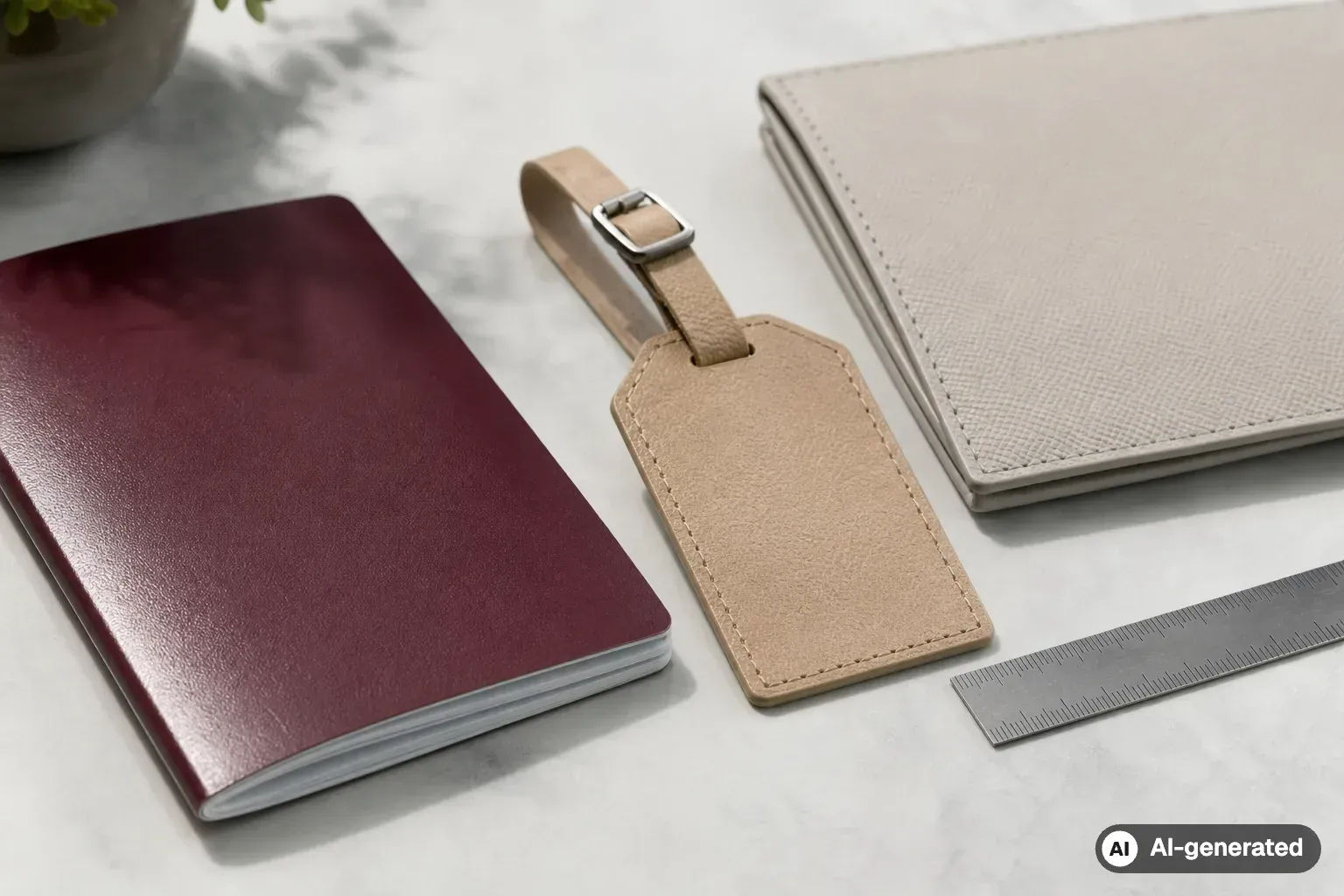
Passport validity requirements vary. Saudi Arabia requires a passport to remain valid for at least six months when entering with a tourist eVisa. Other countries calculate the required validity from the departure date or require the passport to remain valid throughout the stay.
Whether you can travel with your passport may also depend on blank pages, damage, and whether temporary passports are accepted. An eVisa does not remove these requirements. Before applying, confirm that the passport you plan to use will meet all requirements through the end of your trip.
Pay particular attention if you replace your passport between applying and departing. If the passport number or personal details do not match the digital approval, the document may not be verified electronically.
How do biometric checks affect travel?
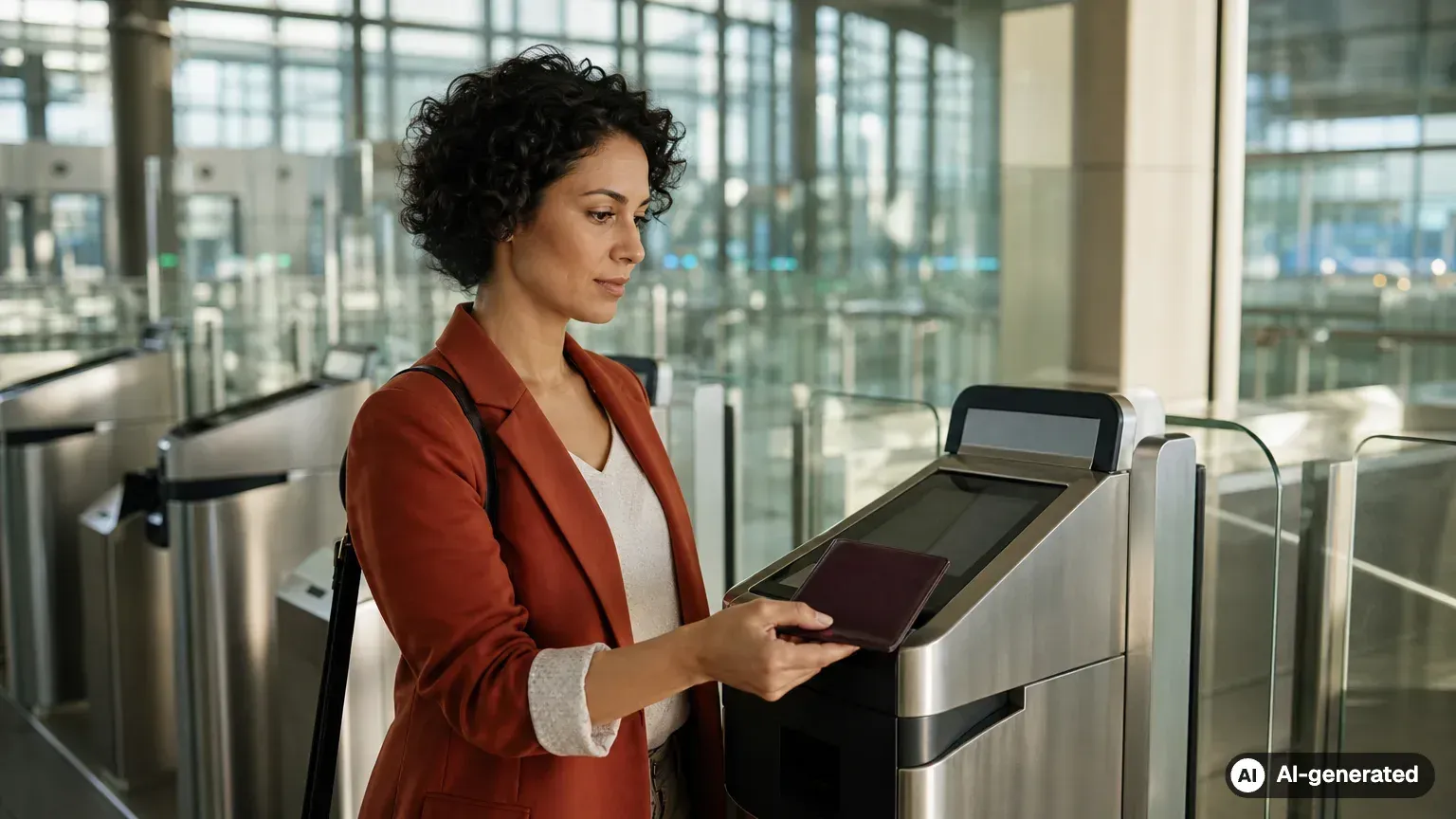
Biometric systems link facial images or fingerprints with passport and travel data. They may be used at check-in, automated border gates, or during an in-person immigration check.
According to a 2025 IATA survey, 50 percent of more than 10,000 travelers surveyed had already used biometric systems at airports. Seventy-eight percent wanted to use a smartphone app that combines travel documents with digital proof of identity.
This makes the digital visa part of a longer electronic verification process. Airlines may check before departure whether an appropriate authorization is registered for the passport and destination. Border control then decides whether the traveler may enter.
Even when biometric checks are used, you should expect to present your original passport. A photo or digital copy of the passport does not replace the physical travel document.
What do recent eVisa updates mean for travelers?
Recent eVisa updates do not only concern newly introduced visas. Fees, eligible nationalities, application portals, approved entry points, and additional forms often change as well. An older approval or saved set of instructions should therefore not be reused for a new trip without checking the current requirements.
Changes introduced after booking are particularly relevant. If an eTA or digital arrival card becomes mandatory between booking and departure, it may also apply to flights that have already been purchased. The booking date does not automatically create an exemption.
Keep the difference between validity and permitted length of stay in mind. An eVisa valid for one year does not necessarily allow you to stay for a full year. Saudi Arabia’s tourist eVisa, for example, is valid for one year but permits stays of no more than 90 days.
The length of time you may remain in a country without a visa must also be considered separately from an eVisa’s validity. Vietnam, for example, combines visa-free stays with a digital visa option for trips that fall outside those conditions.
Digital processes require careful travel planning
Digitalization moves more of the entry screening process to the period before departure. Deciding early which passport you will use, why you are traveling, and how long you plan to stay makes it easier to select the appropriate process.
What matters is not whether a document is described as digital, but which trip it permits. Compare the approval with your actual itinerary, especially if you plan multiple entries, have transit stops, or replace your passport.
Frequently asked questions
Do children need their own eVisa or eTA?
Children generally need their own authorization unless the relevant system provides an exemption. They cannot enter using the eVisa or eTA of an accompanying adult. Under the planned ETIAS rules, applicants under 18 are expected to be exempt from the fee.
Can I transfer an eVisa to a second passport?
Transfers are generally not available when an eVisa is electronically linked to a specific passport number. If you travel with a different passport, you may need to submit a new application.
Do I need an eVisa for transit?
That depends on the country, airport, and transit area. If you leave the international transit area, collect your baggage, or change airports, different entry requirements may apply than for a direct connecting flight.
Is an eVisa file on my smartphone enough?
Many countries verify eVisas electronically. However, an offline or printed copy may still be required and can help if technical problems occur. You must still carry your original passport.
What happens if my flight changes?
A new flight number does not automatically mean that you need a new eVisa. However, if the entry date, border crossing, or itinerary was a binding part of the application, check whether you need to report the change.
Do I need a new application for every entry?
That depends on the number of entries permitted. A single-entry eVisa allows one entry, while a multiple-entry eVisa may allow several entries during its validity period.