 DE
DE
 EN
EN
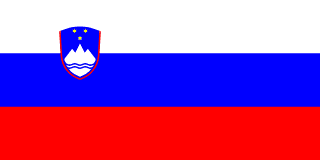
Slovenia
Slovenia is part of the Schengen Area, making entry straightforward for many travellers. Those requiring a visa should apply early at the competent embassy, as a personal appointment is mandatory. The green landscapes, Adriatic coast and charming capital Ljubljana await well-prepared visitors.

You might also need
Instant online, best networks, reliable and affordable.
Schengen Visa Type C (Tourist Visa)
The Schengen Visa Type C is a tourist visa allowing stays of up to 90 days within a 180-day period throughout the entire Schengen Area. The application must be submitted in person at the competent embassy or consulate, with a prior appointment required. Applications are possible from six months before the planned trip, providing ample planning time. The procedure includes submission of biometric data and complete documentation proving the purpose of travel and financial security.
Slovenia is an EU and Schengen member. Third-country nationals require a Schengen visa. Applications can be submitted no earlier than 6 months and no later than 15 days before travel at the Slovenian embassy or a Schengen representative in your home country. EU/EEA/EFTA citizens do not need a visa.
Required documents for Schengen Visa Type C (Tourist Visa)
The visa application requires a valid passport with at least three months' validity beyond the planned stay. Other mandatory documents include a current biometric passport photo, the completed application form, and proof of financial means to cover travel costs. Optional documents such as an invitation letter, hotel booking, and travel insurance can facilitate approval. The personal appointment at the embassy should be scheduled well in advance, as availability may be limited.
- • Valid passport (valid for at least 3 months beyond the stay)
- • Passport photo
- • Completed visa application form
- • Proof of sufficient funds
- • Letter of invitation
- • Hotel booking
- • Travel insurance
Entry to Slovenia: Overview
Slovenia is located in the heart of Europe, combining alpine mountain landscapes with Mediterranean flair on the Adriatic coast. The capital Ljubljana captivates with its historic centre, while the country overall is considered an insider tip for nature lovers and culture enthusiasts. As a member of the Schengen Area, Slovenia benefits from open borders with neighbouring countries, facilitating arrival. Many travellers can enter without a visa, while others require a Schengen visa that should be applied for in good time. Entry usually occurs overland, by air to Ljubljana, or via one of the border crossings from Italy, Austria, Croatia or Hungary. With good preparation and the right documents, nothing stands in the way of a journey of discovery through this versatile country.
Entry Options
Entry to Slovenia can occur via various routes, depending on country of origin and purpose of travel. Many travellers benefit from visa-free entry under the Schengen Agreement and can stay up to 90 days without further formalities. Those not covered by this regulation require a Schengen Visa Type C, which must be applied for at the Slovenian embassy or a consulate. The choice of entry option depends on nationality, planned duration of stay, and purpose of travel.
Schengen Visa Type C (Tourist Visa)
The Schengen Visa Type C is the classic tourist visa for short-term stays in the Schengen Area and entitles holders to a stay of up to 90 days within 180 days. The application is submitted at the Slovenian embassy or competent consulate in the country of residence, with a personal appointment required. Applications can be made from six months before the planned trip, providing sufficient lead time for compiling documents and scheduling appointments. During the appointment, biometric data is captured and submitted documents are checked for completeness and plausibility. Processing time varies, making early application advisable to have the visa in time before travel begins.
Required Documents & Appointment
Several documents must be submitted for the Schengen visa application, starting with a passport valid for at least three months beyond the planned stay. A current biometric passport photo according to valid Schengen guidelines is required, as is the completely filled visa application form available at the embassy or downloadable. Proof of financial means demonstrates that travel costs and living expenses during the stay are secured, which can be shown through bank statements, salary slips or guarantee declarations. Optional documents such as an invitation letter from a person or institution in Slovenia, a hotel booking or travel insurance can accelerate approval and increase the credibility of the application. The appointment at the embassy should be scheduled online or by phone, as availability is limited and waiting times can occur.
Entry Requirements
When entering Slovenia, travellers must meet certain requirements to cross the border without problems. The passport must be valid for the entire duration of stay, with visa applications requiring validity of at least three months beyond. Besides the valid travel document, proof of travel purpose, accommodation and financial security may be requested at border controls. Special regulations apply to drone flights, which require official permission, and smoking in vehicles when minors are passengers. Handling of cannabis is also not legalized despite decriminalization and can lead to administrative penalties.
Border Control
Border control in Slovenia generally proceeds quickly and smoothly, particularly at crossings to other Schengen states where systematic checks often do not take place. At Schengen external borders, such as to Croatia, travel documents are checked thoroughly and border officials may ask additional questions about travel purpose and planned duration. It is advisable to have not only the passport but also supporting documents such as hotel bookings, return flight tickets or invitation letters readily available to demonstrate entry intention. Cash checks are also common, as amounts over 10,000 euros must be declared. Those who are well-prepared and have all required documents ready can pass the border without delays. A friendly and cooperative attitude towards border authorities further facilitates the process.
Customs & Import
Import into Slovenia is subject to standard EU customs regulations, which enable free movement of goods within the Union but establish certain quantity and value limits. Cash and equivalent means of payment must be declared upon entry from a value of 10,000 euros to prevent money laundering and illegal financial flows. Generous allowances apply for importing goods for personal use, while certain items such as counterfeit branded products, weapons, drugs and protected animal or plant species are prohibited. Travellers should inform themselves about exact import regulations before departure, especially when carrying larger quantities of alcohol, tobacco or other declarable goods. Violations of customs regulations can result in severe penalties, confiscations or even criminal consequences.
Summary
Entry to Slovenia is uncomplicated for well-prepared travellers, provided required documents are obtained in time and the specifics of entry regulations are observed. Those requiring a visa should submit the application at least several weeks before planned departure to allow sufficient processing time. With a valid passport, necessary documentation and a clear idea of the travel route, nothing stands in the way of an unforgettable stay in this versatile country. Slovenia welcomes its guests with open arms and an impressive blend of nature, culture and hospitality.
Everything you need for Slovenia
Entry to Slovenia involves specific regulations concerning drone flights, smoking in vehicles with minors, and handling of cannabis. Customs rules regarding cash and certain import prohibitions must also be observed. Good preparation for these specifics avoids unpleasant surprises at the border.
Travel Documents
Customs & Import
Health
Arrival & Entry
Money & Payment
Mobile & Internet
Laws & Rules
Practical Info
Sources: EU standard, EUR, typically EUR 1–3, GSM 900/1800, UMTS 900/2100, LTE 800/900/1800/2100, licence held for less than 2 years, summer time from last Sunday in March, 7–30 days from EUR 15. Information without guarantee — verify with the responsible authority before travel.
Instant online, top networks, reliable and affordable.
FAQ about Slovenia
Planning a trip to Slovenia often raises important questions about visa requirements, passport validity, and customs regulations. Below you'll find answers to the most frequently asked questions to help ensure a smooth entry into the country.