
 Deutsch
 English

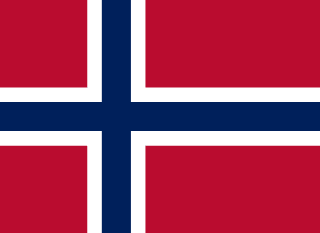
Norway
Norway welcomes travellers as part of the Schengen Area with straightforward entry procedures. Depending on their origin, non-EU nationals need a Schengen visa or – once the system is in operation – an ETIAS authorisation for stays of up to 90 days. EU, EEA and Swiss citizens need neither a visa nor ETIAS. The spectacular fjords, Northern Lights and vibrant cities await well-prepared visitors.
- Capital:
- Oslo
- Language:
- Norwegian, Sami
- Currency:
- Norwegian Krone (NOK)
- Timezone:
- UTC +1 to +2
Visa check

You might also need
Instant online, best networks, reliable and affordable.
ETIAS for Norway (European Travel Information and Authorisation System)
EU, EEA and Swiss citizens don’t need a visa. The online application only concerns travellers who are not EU, EEA or Swiss citizens.
ETIAS is a planned electronic travel information and authorisation system of the European Union that visa-exempt non-EU nationals will need before travelling to the Schengen Area. It is not yet in operation, and EU citizens do not need ETIAS. The authorisation is applied for online and permits stays of up to 90 days within a 180-day period. Once issued, ETIAS remains valid for three years or until the passport used during application expires. Processing occurs in most cases within hours, but can take several days in individual cases. Multiple entries during the validity period are possible without reapplication.

Required documents: ETIAS for Norway (European Travel Information and Authorisation System)
The ETIAS application requires a biometric passport that must be valid for at least three months beyond the planned departure date. Additionally, a valid email address is required to which the authorisation will be sent electronically after processing. The entire application process runs online through the official ETIAS portal, with no personal appearance necessary. The form asks for personal data, travel details and security-related questions; no biometric data is collected for ETIAS.
- Biometric passport (valid for at least 3 months after departure)
- Valid email address
ETIAS is not yet in operation; the EU will announce the start date several months in advance. From then on, visa-exempt non-EU nationals (e.g. from the USA, the UK, Canada or Australia) will need the authorisation to travel to 30 European countries. It is subject to a fee (free for under-18s and over-70s) and valid for 3 years or until the passport expires. EU citizens do not need ETIAS.
Visitor Visa for Norway (Schengen Visa Type C)
EU, EEA and Swiss citizens don’t need a visa. This section only concerns travellers who are not EU, EEA or Swiss citizens.
The Schengen Visa Type C is a visitor visa for travellers who do not benefit from visa exemption or whose purpose of stay requires a classical visa. Application is made in person at the Norwegian embassy or a visa centre in the home country. The visa entitles holders to stays of up to 90 days within a 180-day period and can be issued for tourist, business or family visits. The application process should begin at the earliest three months before planned departure to allow sufficient time for appointment scheduling and processing. A personal appointment to submit documents and potentially capture biometric data is mandatory.
Required for nationals of countries that are not visa-exempt (e.g. India, China, Philippines). Apply at the Norwegian embassy in your home country.
Required documents: Visitor Visa for Norway (Schengen Visa Type C)
For the Schengen visa, a valid passport must be presented that is valid for at least three months beyond the planned departure. Additionally, a biometric passport photo, proof of sufficient financial means and a return or onward ticket are required. Depending on the purpose of travel, additional documents such as hotel bookings, invitation letters from hosts in Norway or certificates of employment or study may be helpful. The application appointment should be scheduled well in advance, as processing times vary and supplementary submissions can extend the duration.
- Passport (valid for at least 3 months after departure)
- Passport photo
- Proof of sufficient funds
- Return or onward travel ticket
- Letter of invitation
- Hotel booking
- Employment contract or proof of enrollment
Entry to Norway: Overview
Norway fascinates travellers with spectacular fjord landscapes, midnight sun in summer and dancing Northern Lights in winter. The capital Oslo combines urban flair with immediate proximity to nature, whilst the west coast with its steep cliffs and deep waterways ranks among the most impressive landscapes in Europe. As a member of the Schengen Area, Norway offers straightforward entry options for numerous travellers who require a classical Schengen visa or, in future, an electronic ETIAS authorisation. EU, EEA and Swiss citizens need neither a visa nor ETIAS. The Norwegian language dominates in everyday life, whilst English is also widely spoken in tourist regions. The Norwegian Krone is the official currency, and cashless payment is standard nationwide. Those who prepare well and observe entry regulations can explore the land of fjords in a relaxed manner.
Entry Options
Various routes are available for entry to Norway depending on origin and nationality. Travellers who could previously enter visa-free will in future require an ETIAS authorisation, which is applied for online and is valid for multiple years. Those who do not belong to the visa-free category or plan a longer stay must apply for a Schengen visa at the responsible Norwegian diplomatic mission. The choice of the correct entry option depends on individual circumstances, planned duration of stay and purpose of travel.
ETIAS (European Travel Information and Authorisation System)
ETIAS is a planned electronic authorisation system of the European Union for non-EU nationals who may enter the Schengen Area without a visa. It is not yet in operation; the EU will announce the start date several months in advance, and EU citizens do not need ETIAS. It serves for security checks before entry and aims to identify potential risks early. The authorisation is applied for exclusively online through the official ETIAS portal and permits stays of up to 90 days within a 180-day period. Once issued, ETIAS remains valid for three years or until the expiry of the passport used during application, whichever date comes first. During this time, unlimited entries to all Schengen states including Norway are possible, as long as the maximum duration of stay is not exceeded.
Required Documents & Application
The ETIAS application requires a biometric passport that must be valid for at least three months beyond the planned departure date. Additionally, a valid email address is required to which the authorisation will be sent electronically after successful processing. The application process takes place entirely online and requires completing a form with personal data, travel information and answers to security-relevant questions. Processing time is in most cases only a few hours, but can take several days in individual cases with queries or additional verification needs. After approval, the ETIAS confirmation should be printed or saved digitally on a smartphone to present upon entry.
Visitor Visa (Schengen Visa Type C)
The Schengen Visa Type C is a visitor visa for travellers who do not belong to the visa-free category or whose purpose of travel requires a regular visa. It entitles holders to stays of up to 90 days within a 180-day period and is issued for tourist, business or private visits. Application is made in person at the Norwegian embassy or an authorised visa centre in the home country, where biometric data is also captured. The application can be submitted at the earliest three months before planned departure, whereby sufficient time should be planned for appointment scheduling and processing. Processing duration varies depending on workload and can be extended by incomplete documents or necessary queries.
Required Documents & Appointment
For Schengen visa application, a valid passport must be presented that is valid for at least three months beyond planned departure and has at least two blank pages. Additionally, a current biometric passport photo, proof of sufficient financial means for the stay and a confirmed return or onward ticket are required. Depending on the purpose of travel, supplementary documents such as hotel bookings, invitation letters from hosts in Norway, employer certificates or study certificates may be helpful or required. The personal appointment at the embassy or visa centre serves to submit documents, capture biometric data and potentially conduct a brief interview. Early appointment scheduling is strongly recommended, as waiting times can be considerable depending on season.
Entry Requirements
Upon entry to Norway, all travellers must possess valid travel documents that meet Schengen Agreement requirements. The passport must be valid for at least the entire duration of the planned stay, with an additional three months for ETIAS and visa applications. Norway applies strict regulations, particularly regarding import of goods and conduct in the country. Violations of customs, traffic and criminal regulations are consistently prosecuted and can lead to substantial penalties, entry bans or even imprisonment. Carrying even the smallest amounts of controlled substances is particularly strictly controlled at the border and regularly leads to arrests.
Border Control
At the Norwegian border, all travellers undergo entry control where travel documents, ETIAS authorisations or visas are checked. Border officials may ask about the purpose of travel, planned duration of stay and accommodation, as well as request proof of sufficient financial means. It is advisable to have all relevant documents such as hotel bookings, return tickets and invitation letters readily available. During control, luggage is also checked for prohibited or declarable goods, particularly food items, cash above the threshold and controlled substances. Cooperative behaviour and complete, honest information greatly facilitate proceedings. Anyone unsure which goods may be carried should, when in doubt, use the green customs channel and ask rather than enter without declaration.
Customs & Import
Norway applies strict customs and import regulations that differ considerably from many other European countries. The import of meat products, dairy products and potatoes is generally prohibited to protect the country from animal diseases and plant pests. Cash may be imported up to the equivalent of 25,000 Norwegian Kroner without declaration, higher amounts must be reported to customs. Violations of fishing regulations, which are particularly detailed in Norway, are prosecuted as strictly as carrying even the smallest amounts of controlled substances. Travellers should thoroughly inform themselves about current import regulations before departure and, when in doubt, rather declare too much than too little.
Summary
Entry to Norway is straightforward for well-prepared travellers, but requires observance of specific regulations. With a timely applied ETIAS authorisation or valid Schengen visa where required, the correct travel documents and knowledge of strict customs and import regulations, nothing stands in the way of an unforgettable journey. Those who respect Norwegian laws and adhere to regulations will be rewarded with spectacular nature experiences, fascinating culture and Norwegian hospitality.
Travel tips for Norway
Norway applies strict customs and import regulations, particularly concerning food items and controlled substances. Even carrying the smallest amounts of illegal substances leads to arrests and entry bans. Traffic violations and breaches of fishing regulations are also consistently prosecuted.
Travel documents
Customs & import
Health
Arrival & entry
Money & payment
Mobile & internet
Laws & rules
Practical info
Sources: UDI, European Commission, Tolletaten, FHI, NOK, Civil Aviation Authority, Road Traffic Act, Penal Code. Information without guarantee — verify with the responsible authority before travel.
Instant online, top networks, reliable and affordable.
Visa and entry FAQ for Norway
Planning a trip to Norway involves understanding various entry requirements and regulations that can affect your journey. Below you'll find answers to the most common questions about passport validity, permitted length of stay, customs restrictions, and other essential information for entering Norway.