
 DE
DE
 EN
EN
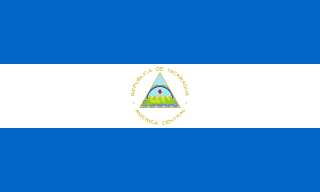
Nicaragua
Nicaragua welcomes travellers with a straightforward tourist card system that can be obtained directly upon arrival. Your passport must be valid for at least six months, and you should be prepared to present a return or onward ticket at entry. With validity for stays of up to 90 days, the country offers ample time to explore volcanoes, colonial cities, and Caribbean beaches.

You might also need
Instant online, best networks, reliable and affordable.
Tourist Card
The tourist card serves as the standard entry document for Nicaragua and replaces a traditional visa for most travellers. It is issued directly upon arrival at Managua Airport or at land borders and permits stays of up to 90 days. For entry by land or sea, an additional online form must be completed at https://solicitudes.mint.gob.ni/, ideally at least seven days before planned arrival. No embassy appointment is required for the tourist card, which significantly simplifies the entire process.
Tourist card is purchased on arrival at the airport or border crossing (cash only). Exit fee: 3 USD (except Managua airport). Online registration at https://solicitudes.mint.gob.ni/ required for land/sea travel (7 days in advance).
Required documents for Tourist Card
To obtain the tourist card upon entry, travellers need a passport valid for at least six months beyond the entry date, as well as confirmed return or onward tickets. Proof of sufficient funds for the planned stay may also be required. For entry via land or sea borders, the completed online entry form must be submitted at least seven days before arrival. Since no appointment is necessary, processing takes place directly at the border crossing or airport.
- • Passport (valid for at least 6 months)
- • Return or onward ticket
- • Sufficient funds for the duration of stay
- • Completed entry form (online at https://solicitudes.mint.gob.ni/, no later than 7 days before arrival by land/sea)
Entry to Nicaragua: Overview
Nicaragua attracts visitors with a fascinating blend of colonial architecture, active volcanoes, tropical rainforests, and pristine Caribbean beaches. The country between the Pacific and Caribbean offers adventurers and relaxation seekers alike a multitude of experiences, from volcano climbing to surfing at secluded coasts. Entry is straightforward for most travellers through a tourist card system that is obtained directly upon arrival. Managua serves as the main air gateway, while several land borders with neighbouring Honduras and Costa Rica provide additional entry options. Infrastructure has improved significantly in recent years, and the country increasingly positions itself as an attractive destination in Central America. Those who prepare well and know the main entry requirements can expect a smooth start to their Nicaraguan adventure.
Entry Options
Travellers can reach Nicaragua via three routes: by air through Managua International Airport, across land borders from neighbouring Honduras and Costa Rica, or by sea. Air entry through Managua is the fastest and most convenient option and is chosen by most international visitors. For travellers exploring Central America overland, several border crossings are available, though these require online pre-registration at least seven days before entry. The choice of entry route depends on individual travel plans and preferences, with formalities being similar across all routes.
Tourist Card (Tourist Card)
The tourist card is the central entry document for Nicaragua and is issued directly upon arrival at Managua Airport or at land border crossings. It replaces a traditional visa for tourist stays and permits stays of up to 90 days, although the card itself is only valid for 30 days. The process is intentionally simple: after presenting required documents, the card is immediately issued. For entry via land or sea borders, however, an additional online form at https://solicitudes.mint.gob.ni/ must be completed, ideally at least seven days before planned arrival. This digital pre-registration significantly speeds up processing at the border and avoids unnecessary waiting times.
Required Documents & Appointment
To obtain the tourist card upon entry, travellers must present a passport with at least six months validity remaining from the entry date. A confirmed return or onward ticket is mandatory and is usually checked, as is proof of sufficient financial means for the planned stay. The yellow fever vaccination certificate is required and will be verified during entry control. No appointment at an embassy or consulate is necessary, as all processing takes place directly at the border or airport. Travellers entering overland should submit the online entry form at least seven days before arrival to avoid delays.
Entry Requirements
Nicaragua sets clear requirements for all entering visitors that are consistently enforced. The passport must be valid for at least six months at the time of entry, otherwise entry will be denied. A yellow fever vaccination certificate is mandatory and among the required health documents. Travellers should drink only bottled water, as tap water is not suitable for consumption. A particularly strict regulation concerns political activities: any political activity by foreigners is prohibited, including statements about Nicaraguan politics or sharing related content on social media. This rule should be taken very seriously, as violations can lead to serious legal consequences.
Border Control
Border control in Nicaragua follows a standardized procedure and includes several verification steps that all travellers must undergo. Upon arrival, the passport and its validity are first checked, followed by verification of the return or onward ticket. The yellow fever vaccination certificate is also carefully examined and is absolutely required. At land borders, control can be more intensive than at the airport, making complete preparation of all documents particularly important. Officers may also ask about the purpose of travel, planned duration of stay, and accommodation, expecting honest and specific answers. After successful verification of all documents, the tourist card is issued and the entry stamp placed in the passport, officially beginning the stay.
Customs & Import
Nicaragua applies import regulations that exclude certain goods and items from entry. Specific import prohibitions exist, which travellers should research beforehand to avoid problems upon entry. Customs officers are authorized to inspect luggage and confiscate prohibited items. Cash can be imported without quantity restrictions but should be declared for security when carrying larger amounts. Careful preparation and avoiding prohibited goods significantly facilitate customs processing and prevent unpleasant delays.
Summary
Entry to Nicaragua is straightforward with good preparation and permits stays of up to 90 days. Important steps include timely verification of passport validity, obtaining the yellow fever vaccination certificate, and for land entry, online pre-registration at least seven days in advance. Those who respect political restrictions and have all required documents ready can look forward to a fascinating country with impressive nature and warm people. With proper preparation, nothing stands in the way of an unforgettable Nicaraguan adventure.
Everything you need for Nicaragua
Beyond standard entry documents, Nicaragua requires particular attention to health precautions and political restraint. A yellow fever vaccination certificate is mandatory upon entry, and tap water should be consistently avoided. Any political activity or expression is strictly prohibited for foreigners, including sharing related content on social media.
Travel Documents
Customs & Import
Health
Arrival & Entry
Laws & Rules
Sources: Foreign Office, Globetrotter.ch, Gateway Lateinamerika, Reisebank.de, Papayatours.de. Information without guarantee — verify with the responsible authority before travel.
Instant online, top networks, reliable and affordable.
FAQ about Nicaragua
Travelers planning a visit to Nicaragua often have questions about entry requirements, tourist cards, and health documentation. This section answers the most frequently asked questions to help you prepare for a smooth arrival and stay in the country.