
 DE
DE
 EN
EN
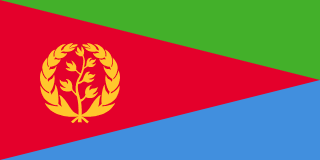
Eritrea
Eritrea on the Horn of Africa requires all travellers to obtain a visa in advance from the competent embassy. A personal appointment is mandatory, and planning should be done well ahead of time. Entry regulations are strict, and special rules such as mandatory yellow fever vaccination must be observed.

Eritrean Tourist Visa
The Eritrean Tourist Visa is the only legal entry option for tourist stays and must be applied for in advance at the competent Eritrean embassy. The application process requires a personal appointment at which all documents must be presented in original form. Processing times can vary, making early contact with the embassy essential. There is no online application or visa on arrival for Eritrea, so travel planning must be adjusted accordingly.
Visa must be applied for in advance at the Eritrean embassy/consulate; approval by the immigration authority in Asmara is required.
Required documents for Eritrean Tourist Visa
A biometric passport is required for the visa application, which must be valid for at least the entire duration of stay, with six months' validity recommended. A current biometric passport photo and proof of sufficient financial means are among the mandatory documents. The exact date of arrival in Eritrea must already be determined at the time of application. A letter of invitation may support the application in some cases but is not mandatory in every instance.
- • Biometric passport (valid for at least 6 months)
- • Biometric passport photo
- • Proof of payment
- • Date of arrival in Eritrea
- • Letter of invitation
Entry to Eritrea: Overview
Eritrea on the Horn of Africa is an extraordinary travel destination that attracts visitors with its Italian-influenced capital Asmara, breathtaking landscapes and unique culture. The country is only slowly opening up to tourism and remains one of the least visited countries in Africa, which adds to its special appeal. Entry is only possible with a visa applied for in advance, which must be applied for in person at the competent embassy. Travellers should expect strict official controls, special security regulations and heavily regulated infrastructure. Communication takes place mainly in Tigrinya and Arabic, although Italian is also widespread in Asmara. Those who embrace the special challenges will experience a country of great historical significance and cultural authenticity.
Entry Options
Entry to Eritrea is only possible with a pre-issued visa, which must be applied for in person at the Eritrean embassy. There is neither a visa on arrival nor an electronic application option, so travel planning should begin correspondingly early. Entry usually takes place via the international airport in Asmara, although land borders also exist, the use of which depends on the current security situation. For tourist travel, the Eritrean Tourist Visa is the only relevant option.
Eritrean Tourist Visa
The Eritrean Tourist Visa is mandatory for all tourist stays and can only be applied for at the competent Eritrean embassy. The application process requires a personal appointment at which all required documents must be presented in original form. Online application or postal submission is not possible, which complicates planning and makes a personal appearance at the embassy unavoidable. The processing time is not specified and can take several weeks, which is why very early contact with the embassy is strongly recommended. The visa entitles holders to tourist stays, with exact durations of stay determined individually and not standardized.
Required Documents & Appointment
A biometric passport is mandatory for applying for the tourist visa, which must be valid for at least the entire duration of stay, with a validity of at least six months recommended. A current biometric passport photo according to international standards is also required. Mandatory documents also include proof of payment demonstrating that sufficient financial means are available for the stay. The exact date of arrival in Eritrea must already be known and stated at the time of application. Optionally, a letter of invitation from contacts in Eritrea can support the application. The personal embassy appointment should be arranged early, as capacity is limited and longer waiting times must be expected.
Entry Requirements
Strict regulations apply when entering Eritrea that must be observed. The passport must be biometric and remain valid for the entire stay, with six months' remaining validity strongly recommended. A valid yellow fever vaccination certificate is mandatory upon entry and must be documented in the international vaccination certificate. The import of cash is extremely regulated and effectively not permitted, which complicates financial planning. Drones may not be imported without special official permission, and other electronic devices can also be checked upon entry. Travellers should expect extensive controls and questioning upon entry.
Border Control
Border control in Eritrea is very thorough and can be time-consuming, requiring patience and complete documentation. Upon entry, passport, visa and yellow fever vaccination certificate are carefully checked, and all documents must be available in original form. Border authorities may inquire about the purpose of travel, planned locations of stay and contact persons in the country, so corresponding evidence and information should be readily available. Electronic devices such as laptops, cameras and phones may be inspected, and it is advisable to secure or remove sensitive data beforehand. Officials are authorized to search luggage, with particular attention paid to prohibited items such as drones, large amounts of cash or politically sensitive material. A respectful and cooperative attitude towards authorities is essential, as contradiction or unfriendliness can lead to considerable delays or even refusal of entry. The entire entry procedure can take several hours, so appropriate time buffers should be planned.
Customs & Import
Eritrea's customs regulations are strict and are consistently enforced. The import of cash is heavily regulated and effectively prohibited, so alternative payment options must be clarified in advance. Drones may not be imported without special permission, and professional camera equipment can also raise questions. Tap water is not drinkable, so sufficient bottled water should be planned. Eritrean authorities also control political materials and publications that could be classified as critical. In general, only items for personal use should be carried, and in case of uncertainty, prior clarification with the embassy is recommended.
Summary
Entry to Eritrea requires careful preparation and patience, but rewards travellers with a unique travel experience in a country with little tourist development. The visa must be applied for in advance at the embassy with a personal appointment, and all documents must be complete and current. Special regulations such as mandatory yellow fever vaccination, the cash ban and the drone ban should definitely be observed. Those who embrace the special challenges and travel with respect and openness will be rewarded with authentic insights into a fascinating culture.
Everything you need for Eritrea
Eritrea presents travellers with special challenges that require careful preparation. In addition to strict customs regulations and health requirements, there are important specifics such as the drone ban and restrictions on consular assistance. Practical matters such as drinking water quality and cultural customs should be known before departure.
Travel Documents
Customs & Import
Health
Arrival & Entry
Money & Payment
Mobile & Internet
Laws & Rules
Information without guarantee — verify with the responsible authority before travel.
FAQ about Eritrea
Planning a trip to Eritrea requires careful preparation, and many travelers have similar questions about visa applications, passport validity, and health requirements. Below you'll find answers to the most frequently asked questions to help ensure your entry into Eritrea goes smoothly.